Author: Answers In Bible

  • A Man’s Steps | Proverbs 20:24

    A Man’s Steps | Proverbs 20:24

    “A man’s steps are of the LORD; How then can a man understand his own way?” (Proverbs 20:24, NKJV). This verse is honest about the limits of self-understanding. Even our own steps, the ones we think we’re choosing deliberately, are ultimately under a wiser direction than our own.

    That can feel unsettling if we prize control highly. But it’s also freeing. We’re not actually required to have our whole path figured out in advance.

    This isn’t a call to stop thinking or planning. It’s a call to hold our own understanding loosely, recognizing there’s a wisdom directing our steps beyond what we can fully trace.

    Where are you currently demanding full understanding of your own path, when this verse suggests trust might serve you better than certainty?
  • Lie Down in Peace | Psalm 4:8

    Lie Down in Peace | Psalm 4:8

    “I will both lie down in peace, and sleep; For You alone, O LORD, make me dwell in safety” (Psalm 4:8, NKJV). David wrote this psalm while surrounded by real threats, not in a season of ease. And yet he describes actual, restful sleep.

    That’s a striking combination: real danger outside, and real peace within, at the same time. The peace isn’t dependent on the danger disappearing first.

    The reason given is specific: You alone make me dwell in safety. Not the absence of threat, but the presence of God as the actual source of safety.

    If sleep has felt hard to come by lately because of what’s circling in your mind, this verse offers a place to actually rest that peace, not in resolved circumstances, but in God Himself.

  • The Sight of the Eyes | Ecclesiastes 6:9

    The Sight of the Eyes | Ecclesiastes 6:9

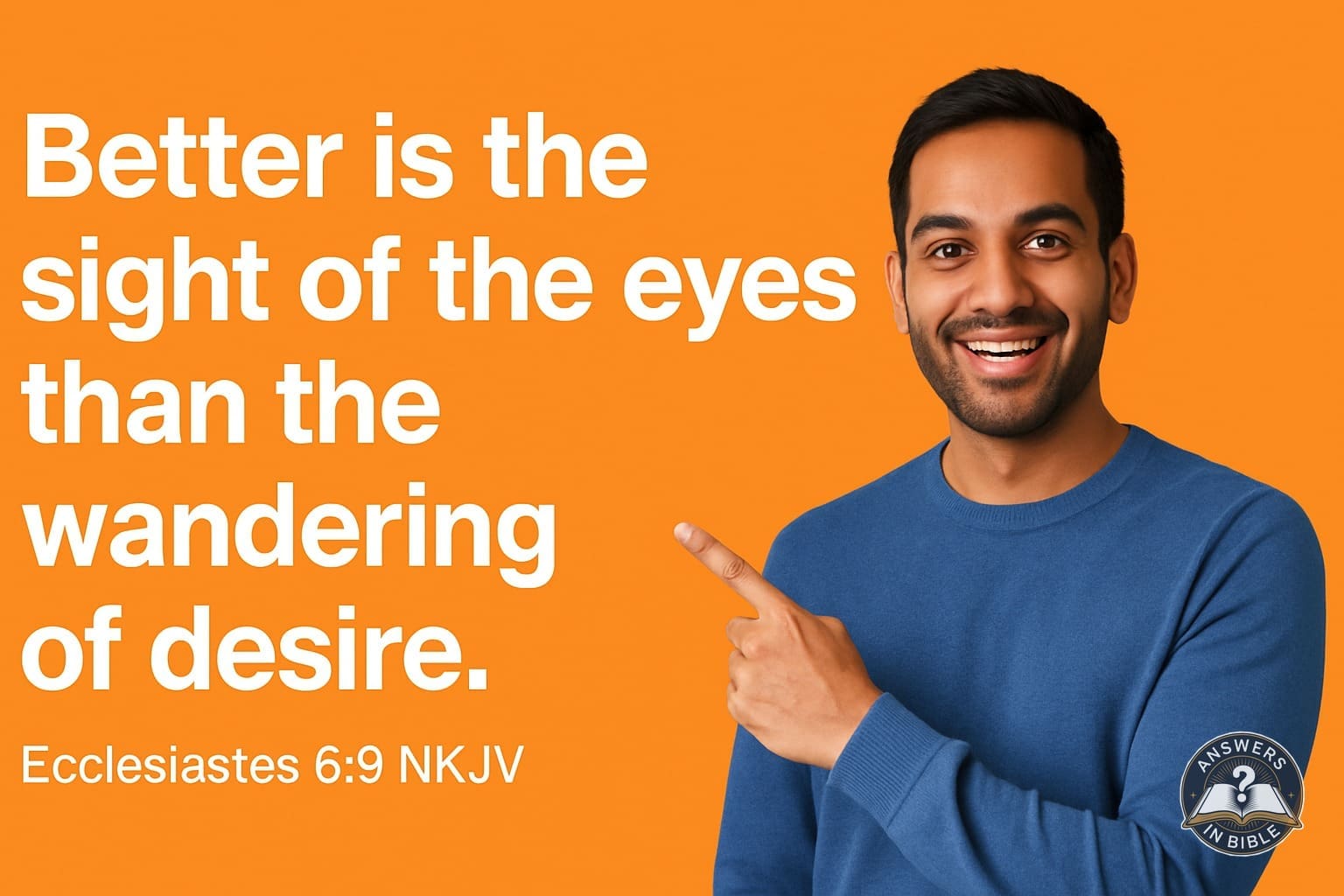
    “Better is the sight of the eyes than the wandering of desire” (Ecclesiastes 6:9, NKJV). This is Ecclesiastes’ blunt way of saying: what you actually have in front of you is worth more than the endless wandering of wanting something else.

    Desire, left unchecked, rarely settles. It moves from one want to the next, always finding something else to wish for, regardless of how much has already been gained.

    The sight of the eyes, by contrast, is present-tense. It’s the willingness to actually see and receive what’s already here, rather than living perpetually toward the next thing.

    What’s actually in front of you today that wandering desire has kept you from truly seeing?

  • Moved With Compassion | Matthew 9:36

    Moved With Compassion | Matthew 9:36

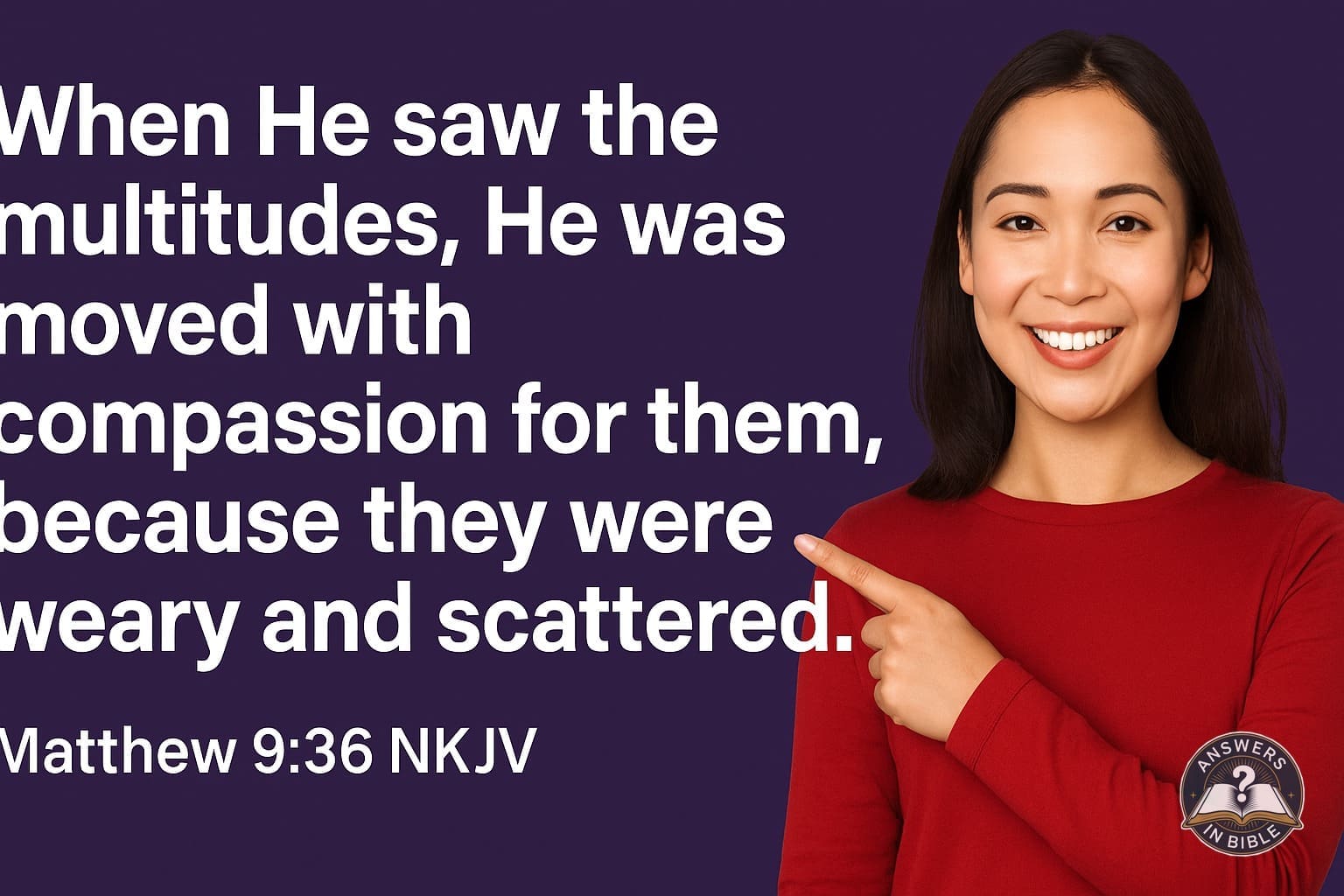
    “When He saw the multitudes, He was moved with compassion for them, because they were weary and scattered” (Matthew 9:36, NKJV). Jesus doesn’t respond to the crowd’s need with impatience. He responds with compassion, seeing their weariness clearly.

    Weary and scattered is a fitting description for a lot of ordinary life, tired, without clear direction, moving without a shepherd’s guidance.

    It’s worth sitting with the fact that this is exactly the condition that moves Jesus toward compassion, not away from it. Weariness doesn’t disqualify you from His care. It’s what draws it out.

    If you feel weary and scattered today, this verse says something specific about how Jesus sees you in that state, not with frustration, but with compassion.

  • Rise Again | Proverbs 24:16

    Rise Again | Proverbs 24:16

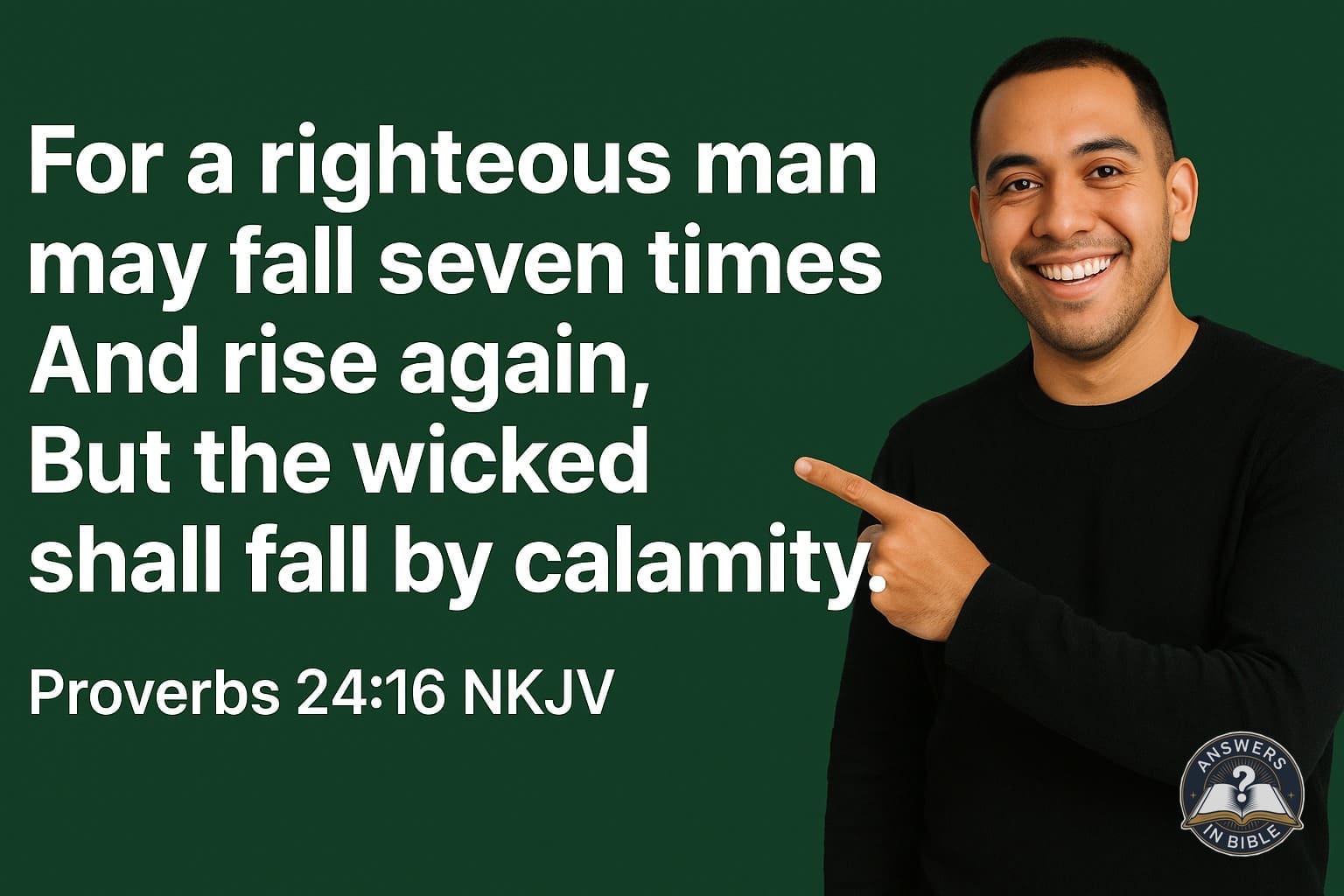
    “For a righteous man may fall seven times And rise again, But the wicked shall fall by calamity” (Proverbs 24:16, NKJV). This verse doesn’t describe a righteous life as one without failure. It describes one that keeps getting back up.

    Seven times isn’t meant as an exact count. It’s a way of saying repeatedly, again and again, however many times it takes.

    The real contrast in this verse isn’t between falling and not falling. It’s between rising after the fall and staying down.

    If you’re currently down from a recent fall, this verse isn’t asking you to explain why it happened. It’s asking whether you’ll rise again.

  • Enter With Thanksgiving | Psalm 100:4

    Enter With Thanksgiving | Psalm 100:4

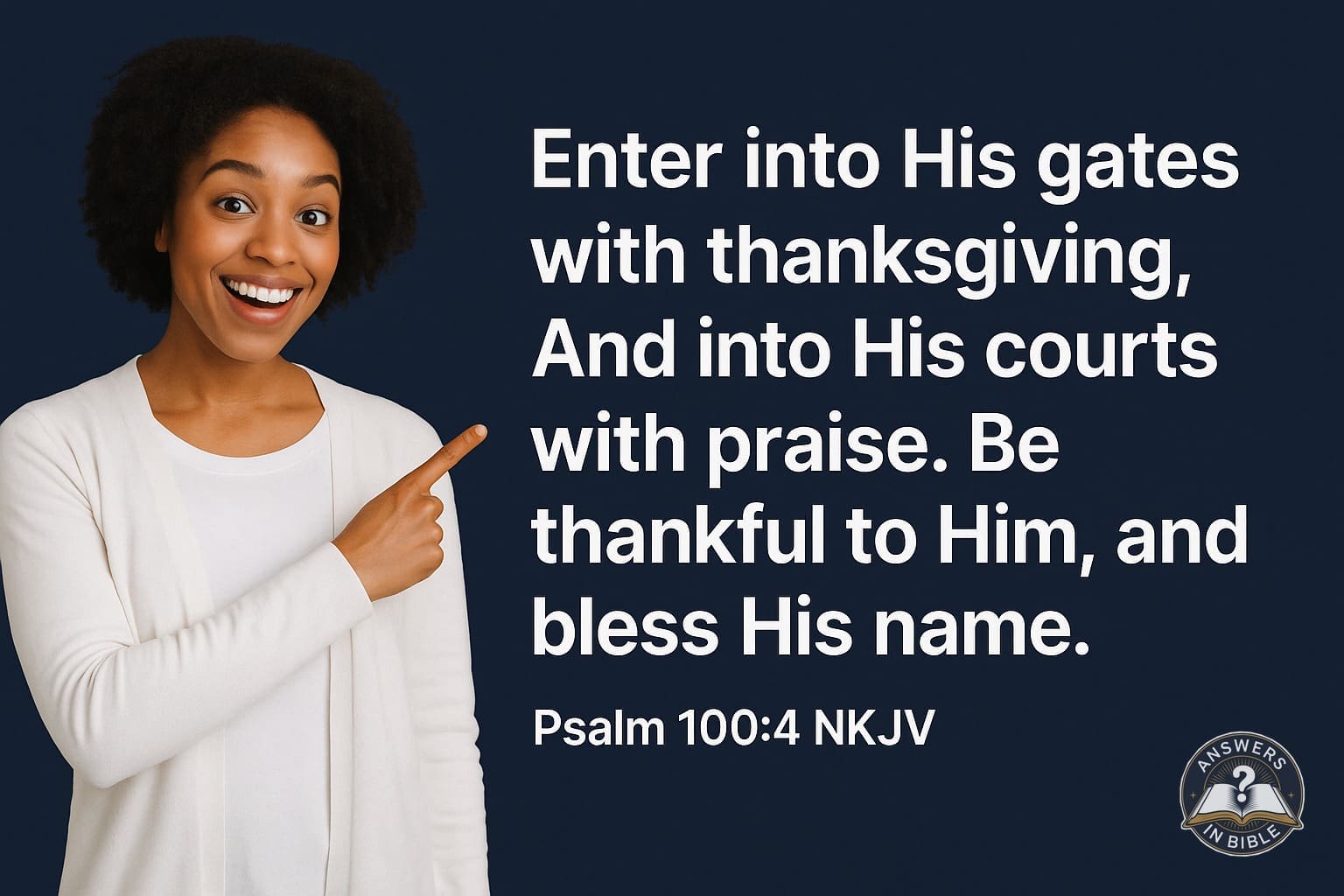
    “Enter into His gates with thanksgiving, And into His courts with praise. Be thankful to Him, and bless His name” (Psalm 100:4, NKJV). Notice the order here. Thanksgiving isn’t the reward for a good conversation with God, it’s the way in.

    That’s worth noticing on days when gratitude doesn’t come naturally. This verse doesn’t wait for us to feel thankful before inviting us in. It calls thanksgiving the entry point itself.

    Praise works the same way. Not a response reserved for when everything’s going well, but a posture we choose to walk in with, regardless of the day we’ve had.

    As this new month opens, this is worth taking as a practice, not just a feeling. Enter today with thanksgiving, even before the feeling fully catches up.

  • Be Still and Know | Psalm 46:10

    Be Still and Know | Psalm 46:10

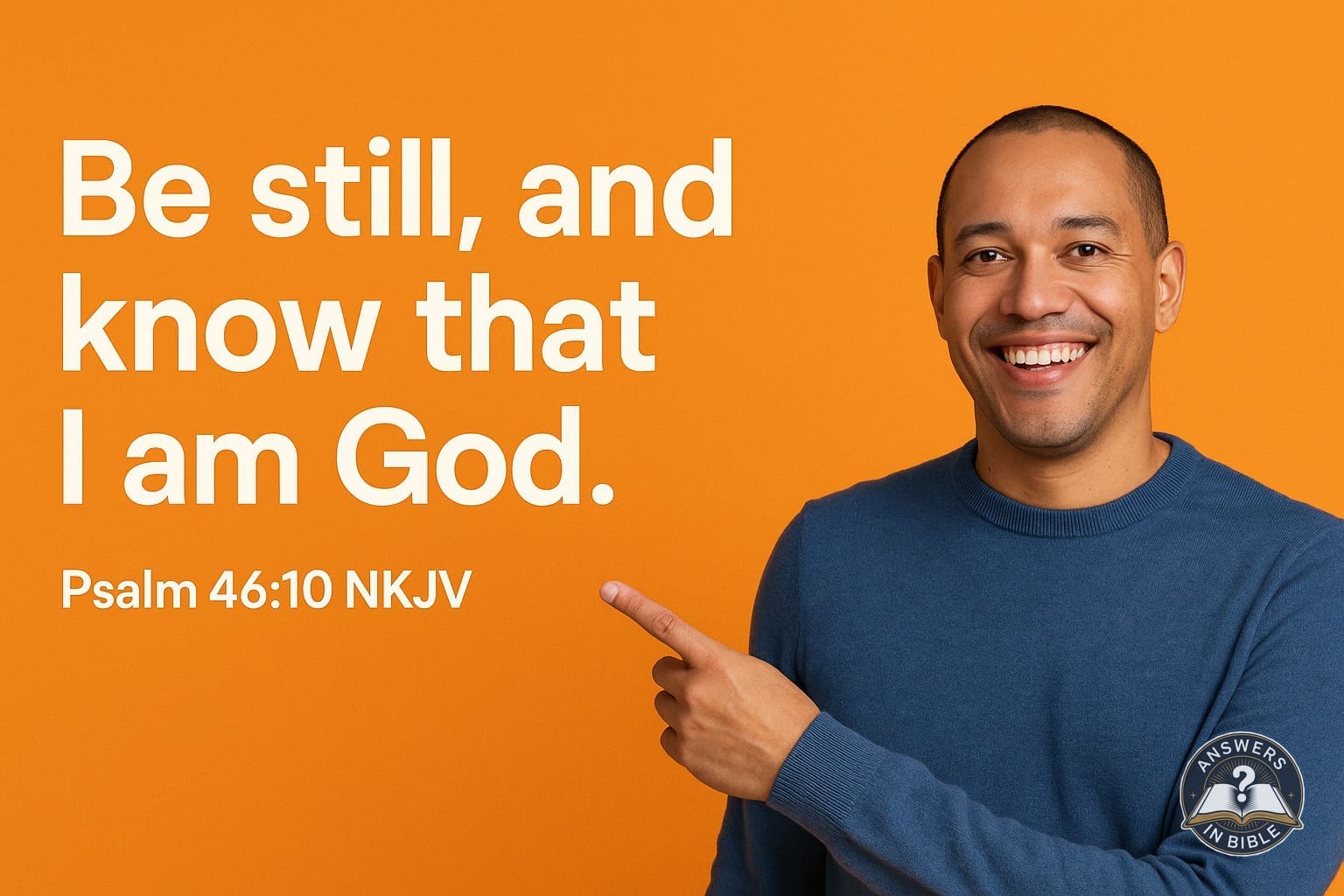
    “Be still, and know that I am God” (Psalm 46:10, NKJV). This is one of the shortest and most direct commands in the Psalms, and also one of the hardest for most of us to actually obey.

    Stillness doesn’t come naturally when there’s a real problem in front of us. Our instinct is to act, fix, control, manage. This verse asks for the opposite first: stop, and simply know who God is.

    Knowing here isn’t just intellectual agreement. It’s a settled recognition, deep enough to actually change how we respond to whatever’s in front of us.

    As this month closes, this is a good verse to sit with before rushing into whatever’s next. Be still first. Let the knowing come before the striving.

  • Commit Your Works | Proverbs 16:3

    Commit Your Works | Proverbs 16:3

    “Commit your works to the LORD, And your thoughts will be established” (Proverbs 16:3, NKJV). Commit here means more than a passing prayer over a plan. It’s a genuine handing over, releasing control of the outcome.

    The promise attached is interesting: not that the plan will succeed exactly as imagined, but that your thoughts will be established, settled, steady, rather than anxious and scattered.

    That’s often what we actually need more than a guaranteed outcome. A settled mind, even amid uncertainty, is its own kind of answered prayer.

    What work are you currently holding onto so tightly that your thoughts feel scattered instead of established? This verse invites you to commit it and see what settles.

  • Of More Value Than Sparrows | Matthew 10:31

    Of More Value Than Sparrows | Matthew 10:31

    “Fear not therefore; you are of more value than many sparrows” (Matthew 10:31, NKJV). Jesus makes this point right after noting that not even a sparrow falls apart from the Father’s awareness. If God notices sparrows, His attention toward you runs far deeper.

    This verse doesn’t dismiss fear as irrational. It offers a specific reason not to be ruled by it: your value to God, which He’s already established through smaller examples of His care.

    It’s easy to feel like one person’s fears or needs are too small to matter to God amid everything else going on in the world. This verse argues the opposite.

    What fear are you carrying today that this verse’s argument, from sparrows to you, is meant to speak directly into?

  • Show Me Your Ways | Psalm 25:4

    Show Me Your Ways | Psalm 25:4

    “Show me Your ways, O LORD; Teach me Your paths” (Psalm 25:4, NKJV). This is a short prayer, but it carries real humility. David isn’t asking God to bless the path he’s already chosen. He’s asking to be shown the path in the first place.

    That’s a different posture than most of us default to. It’s easier to make a plan and ask God to confirm it than to genuinely ask to be taught, open to a direction we haven’t already decided on.

    Teach me Your paths assumes there’s something to learn, that David doesn’t already have it figured out, and that God’s ways might differ from his own instincts.

    This is a good prayer to borrow today, especially for any decision where you’ve already half-decided the answer before asking.