Author: Answers In Bible

  • Enjoy Good in Your Labor | Ecclesiastes 2:24

    Enjoy Good in Your Labor | Ecclesiastes 2:24

    “Nothing is better for a man than that he should eat and drink, and that his soul should enjoy good in his labor” (Ecclesiastes 2:24, NKJV). This comes after the Preacher tries everything, pleasure, projects, wealth, achievement, and finds none of it satisfying on its own.

    His conclusion isn’t despair. It’s a return to something simple: ordinary meals, ordinary work, enjoyed honestly rather than chased as a means to some bigger prize.

    There’s real wisdom in that. So much striving comes from believing satisfaction is one achievement away. Ecclesiastes suggests it’s often available right now, in the plain and ordinary, if we’ll actually receive it as good.

    What would it look like today to enjoy the meal in front of you, or the work on your desk, instead of just pushing through it toward whatever comes next?
  • Gentle and Lowly | Matthew 11:29

    Gentle and Lowly | Matthew 11:29

    “Take My yoke upon you and learn from Me, for I am gentle and lowly in heart, and you will find rest for your souls” (Matthew 11:29, NKJV). A yoke isn’t the image most of us associate with rest. It’s a tool for work, for pulling weight alongside another animal.

    That’s exactly the point. Jesus doesn’t offer rest by removing all labor. He offers rest by inviting us to carry it alongside Him, learning His pace instead of grinding through at our own.

    Notice how He describes Himself here: gentle and lowly in heart. Not distant, not demanding, not impossible to please. That description should change how we imagine the load He’s inviting us to share.

    If your soul is tired right now, this verse doesn’t promise an empty schedule. It promises a different kind of yoke, one carried with Him rather than alone.

  • He Who Heeds Counsel | Proverbs 12:15

    He Who Heeds Counsel | Proverbs 12:15

    “The way of a fool is right in his own eyes, But he who heeds counsel is wise” (Proverbs 12:15, NKJV). Nobody thinks of themselves as the fool in this verse. That’s exactly the trap it’s describing.

    Foolishness here isn’t about intelligence. It’s about being closed to input, so convinced of your own read on a situation that outside counsel feels unnecessary or even irritating.

    Wisdom, by contrast, actively seeks correction. It assumes there are blind spots worth having someone else point out, even when your own way feels obviously right.

    A good gut check for today: when was the last time you actually changed course because of someone else’s counsel, rather than just hearing it out and doing what you’d already planned?

  • Like a Tree Planted | Psalm 1:3

    Like a Tree Planted | Psalm 1:3

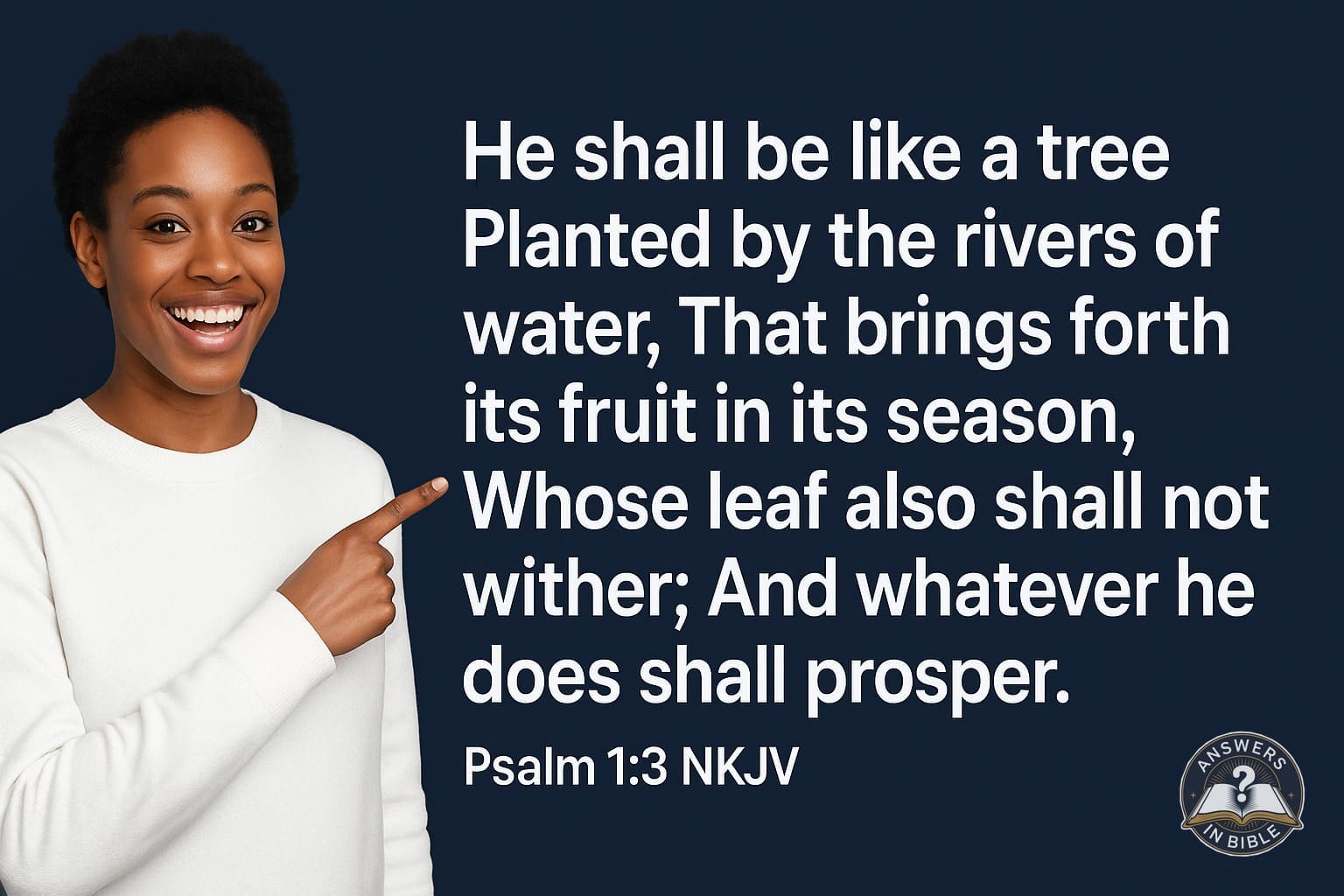
    “He shall be like a tree Planted by the rivers of water, That brings forth its fruit in its season, Whose leaf also shall not wither; And whatever he does shall prosper” (Psalm 1:3, NKJV). This verse doesn’t promise a life without seasons. Trees still lose their leaves, still go dormant in winter. What it promises is roots deep enough to survive the season and bear fruit when it’s time.

    Notice the phrase “in its season.” Not constant fruit, every day, no matter what. Fruit that comes at the right time, because the roots have been doing quiet, unseen work all along.

    If this season of your life feels dormant rather than fruitful, that’s not necessarily a sign something’s wrong. Trees planted by water don’t panic in winter. They keep drawing from the source and trust the season will turn.

    The real question this verse raises isn’t whether you’re producing visible fruit right now. It’s whether you’re planted by the water at all.

  • The Pure in Heart | Matthew 5:8

    The Pure in Heart | Matthew 5:8

    “Blessed are the pure in heart, For they shall see God” (Matthew 5:8, NKJV). Part of the Beatitudes, this verse ties purity of heart directly to something remarkable: actually seeing God.

    Purity of heart isn’t the same as flawless performance. It points to undivided motives, a heart that isn’t split between competing loyalties or hidden agendas.

    That kind of purity is rare precisely because most hearts are mixed, partly sincere, partly self-serving, often without even realizing it.

    This verse is worth taking as an honest examination question: where is your heart divided right now, and what would it look like to bring that division to God rather than hiding it?

  • The Strength of My Heart | Psalm 73:26

    The Strength of My Heart | Psalm 73:26

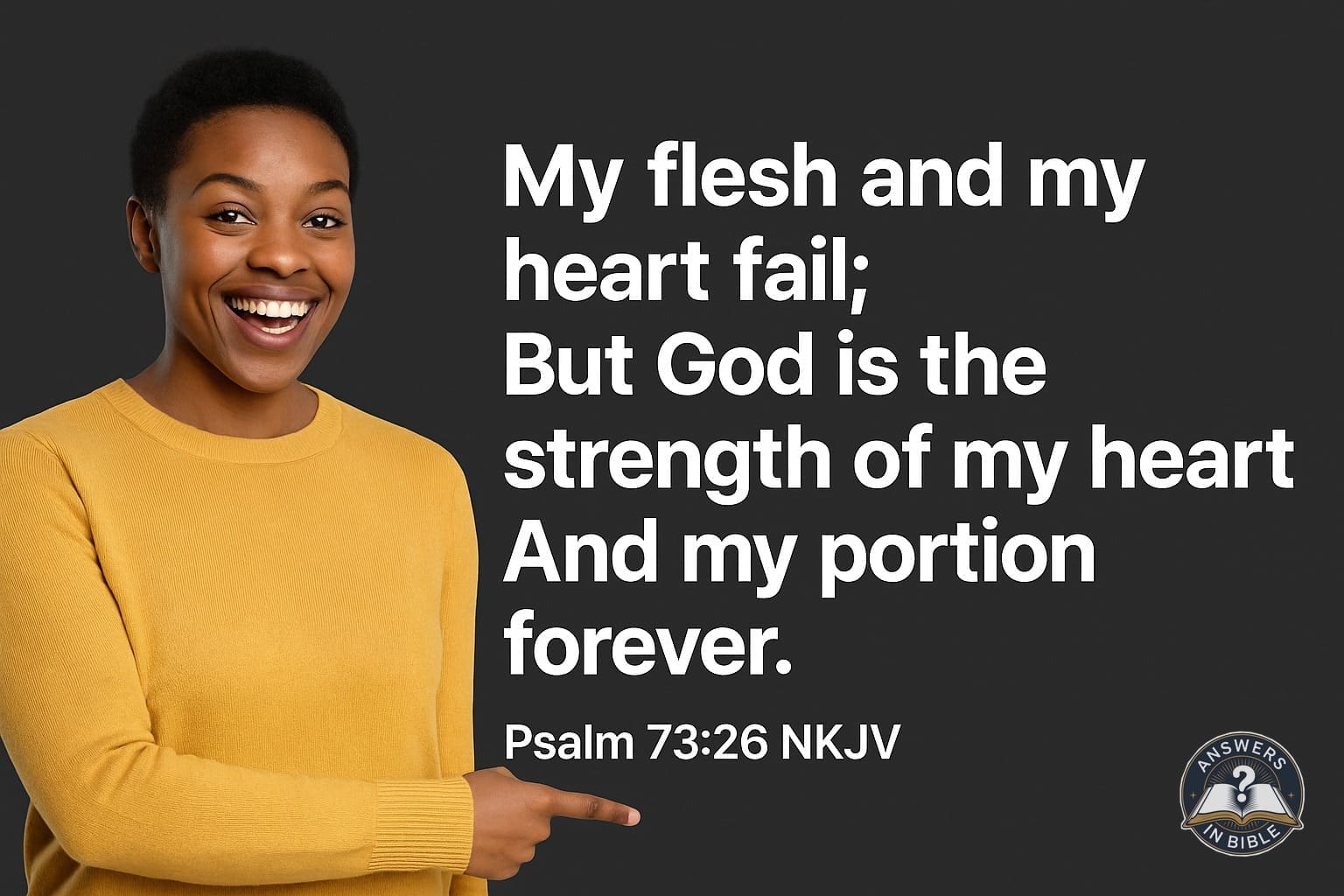
    “My flesh and my heart fail; But God is the strength of my heart And my portion forever” (Psalm 73:26, NKJV). This verse doesn’t pretend the psalmist is strong. It openly admits failure, of body and heart both, before pointing to where real strength comes from.

    There’s something freeing in that honesty. So much of our culture rewards projecting strength we don’t actually have. This verse models a different way: admit the failing plainly, then point past yourself.

    God as portion forever is a striking phrase. Not a temporary boost to get through a hard week, but a permanent inheritance that doesn’t run out when our own strength does.

    If your own strength feels like it’s failing right now, physically, emotionally, or spiritually, this verse doesn’t ask you to fake resilience. It points you to a strength that isn’t your own.

  • Pride and Shame | Proverbs 11:2

    Pride and Shame | Proverbs 11:2

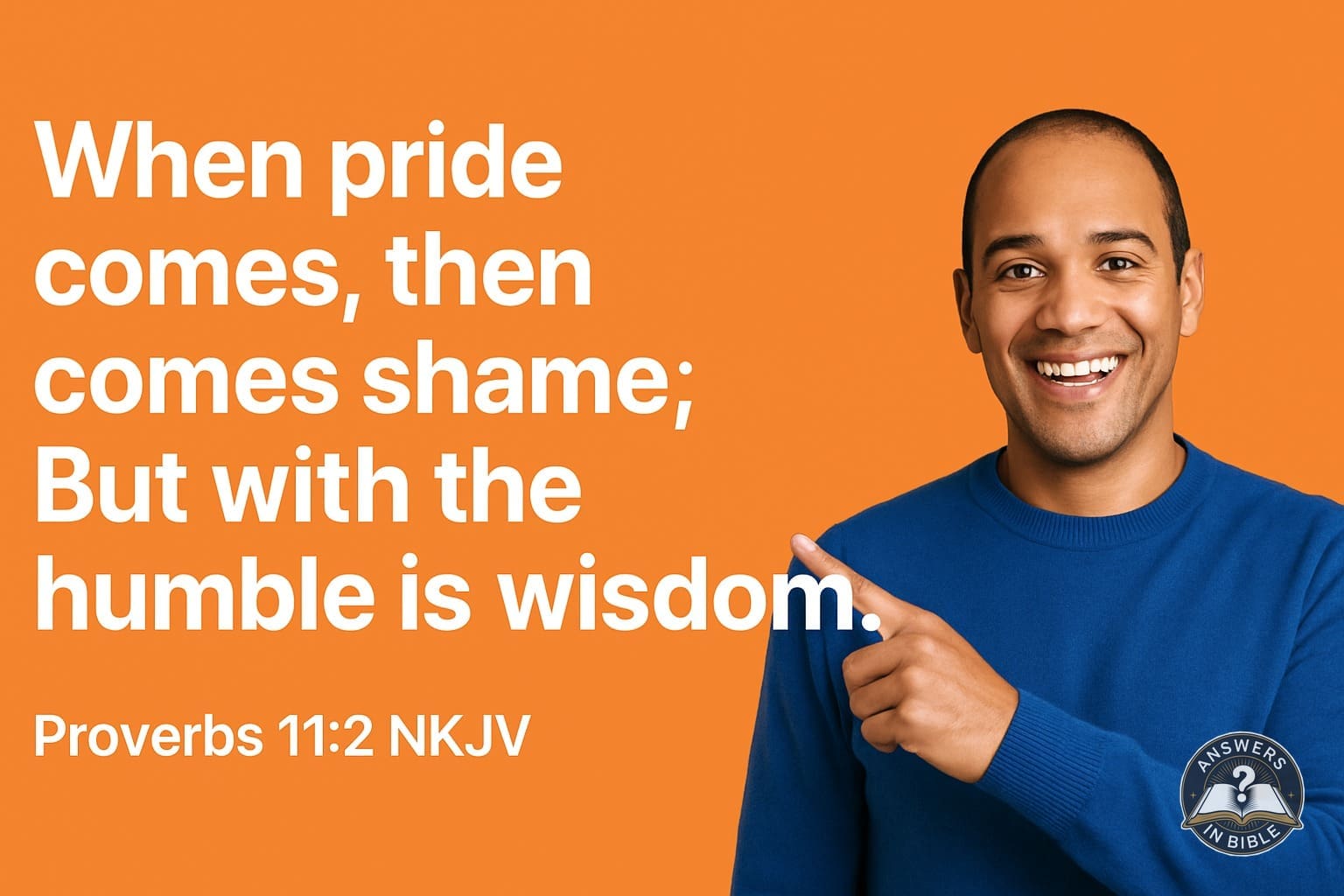
    “When pride comes, then comes shame; But with the humble is wisdom” (Proverbs 11:2, NKJV). This verse pairs two things that rarely get connected: pride and shame, humility and wisdom. It suggests they’re not separate outcomes, but a direct sequence.

    Pride tends to overestimate what we know and underestimate what we don’t. That combination is a setup for a fall, since reality has a way of eventually correcting an inflated sense of certainty.

    Humility works differently. It leaves room to be corrected, to learn, to admit what’s still unknown, and that posture is exactly where wisdom tends to grow.

    It’s worth asking honestly where pride might be setting up a future shame you haven’t seen coming yet, and where a little more humility might make room for wisdom instead.

  • Fullness of Joy | Psalm 16:11

    Fullness of Joy | Psalm 16:11

    “You will show me the path of life; In Your presence is fullness of joy” (Psalm 16:11, NKJV). Notice where the fullness of joy is located in this verse, not in an outcome, not in a circumstance finally resolving, but in God’s presence itself.

    That’s a different way to look for joy than most of us default to. We tend to chase joy through achievements, relationships, or comfort, treating God’s presence as a bonus once those other things fall into place.

    This verse flips that order. The path of life and the fullness of joy are found in nearness to Him, available now, not contingent on everything else going well first.

    If joy has felt distant lately, this verse suggests checking your nearness to God before checking your circumstances. The fullness described here doesn’t wait for perfect conditions.

  • If You Forgive | Matthew 6:14

    If You Forgive | Matthew 6:14

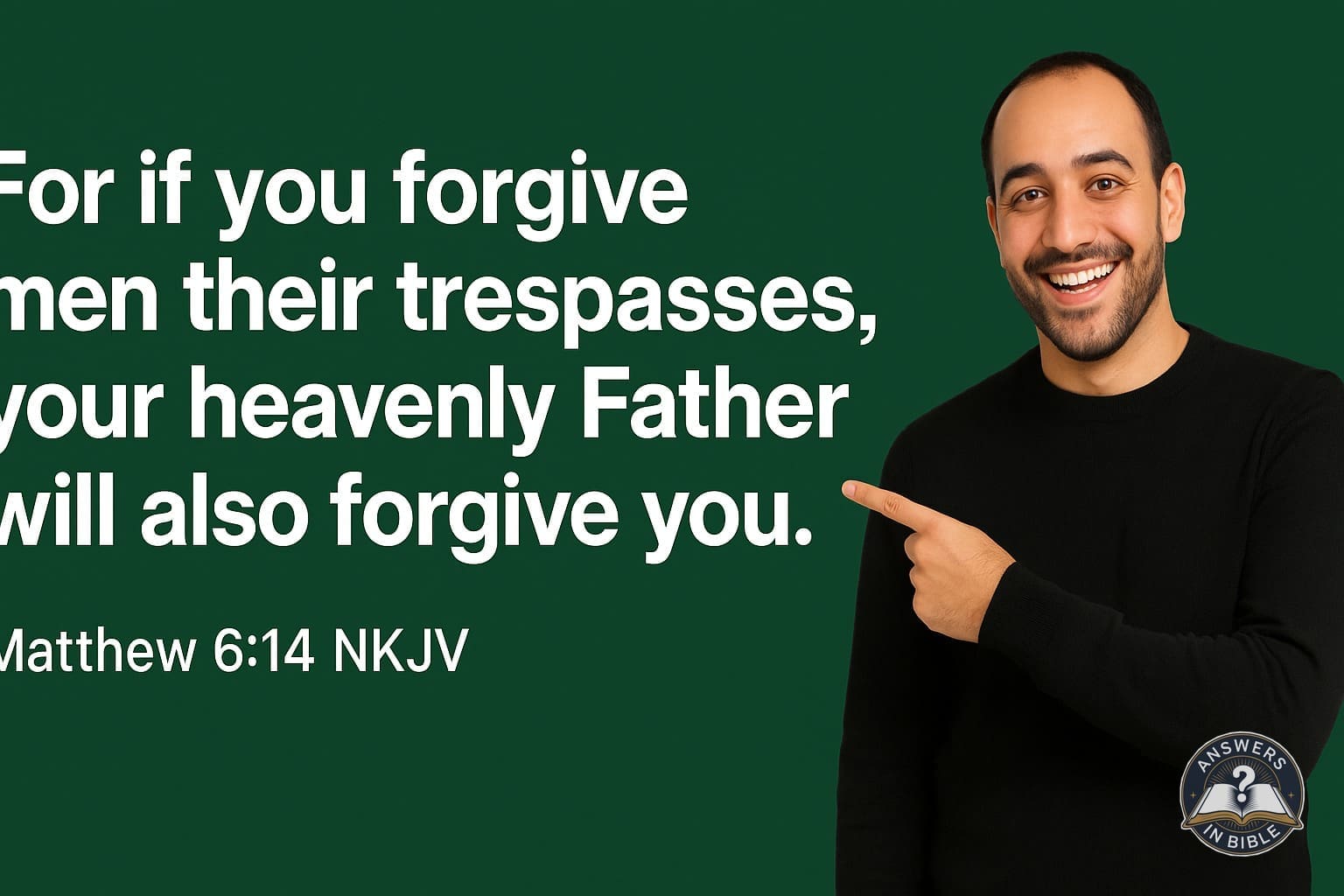
    “For if you forgive men their trespasses, your heavenly Father will also forgive you” (Matthew 6:14, NKJV). Jesus connects these two things directly, our forgiveness of others and our own experience of being forgiven. That’s a hard connection to sit with when we’re the ones who’ve been wronged.

    This isn’t about earning forgiveness through good behavior. It’s about recognizing that an unforgiving heart tends to close itself off from receiving grace it hasn’t been willing to extend.

    Unforgiveness often feels justified, even protective. But holding onto it rarely punishes the other person as much as it weighs down the one holding it.

    If there’s a name that came to mind while reading this verse, that’s worth noticing. Forgiveness doesn’t mean the wrong didn’t matter. It means releasing the weight of holding it.

  • The Lord’s Counsel Stands | Proverbs 19:21

    The Lord’s Counsel Stands | Proverbs 19:21

    “There are many plans in a man’s heart, Nevertheless the LORD’s counsel—that will stand” (Proverbs 19:21, NKJV). We make plans constantly, for the day, the year, our careers, our families. This verse doesn’t discourage planning. It reframes what ultimately holds.

    Many of our plans won’t survive contact with reality exactly as we imagined them. That’s not necessarily failure. It’s simply the difference between our limited view and God’s actual counsel.

    There’s real peace available here if we can hold our plans loosely enough. Not carelessly, but with the humility to recognize a better counsel is already at work.

    As you make plans for the months ahead, this verse is worth keeping close. Plan well, but hold the outcome open to something wiser than your own foresight.