Author: Answers In Bible

  • Restrained Lips | Proverbs 10:19

    Restrained Lips | Proverbs 10:19

    “In the multitude of words sin is not lacking, But he who restrains his lips is wise” (Proverbs 10:19, NKJV). More words aren’t automatically better words. This verse links an unrestrained mouth directly to an increased chance of sin, not because talking is bad, but because unfiltered talking rarely stays careful for long.

    This is worth testing against your own week. How many regrettable words came from a moment you didn’t pause before speaking, versus a moment you actually thought first?

    Restraint here isn’t the same as silence or withdrawal. It’s the discipline of choosing words rather than releasing every one that comes to mind.

    A short, practical challenge for today: before your next hard conversation, pause one extra beat before responding. See what changes.

  • Seek First the Kingdom | Matthew 6:33

    Seek First the Kingdom | Matthew 6:33

    “But seek first the kingdom of God and His righteousness, and all these things shall be added to you” (Matthew 6:33, NKJV). This verse comes after Jesus spends several verses addressing worry, about food, clothing, and tomorrow. His answer isn’t a productivity system. It’s a reordering of priority.

    Seek first. Not seek only, and not seek instead of everything else. But first, ahead of the anxious scramble to secure our own provision.

    This is a hard order to actually live by, since our instinct is to secure the practical things ourselves first and fit God in around the edges of what’s left.

    Jesus flips that order and makes a promise attached to it. Put His kingdom first, and the things you were anxiously chasing find their place, in His timing, not yours.

  • Number Our Days | Psalm 90:12

    Number Our Days | Psalm 90:12

    “So teach us to number our days, That we may gain a heart of wisdom” (Psalm 90:12, NKJV). This is a prayer about time, but not in the productivity-hack sense. It’s asking God to help us actually feel the weight of how limited our days are.

    Most of us live as though we have an endless supply of time, until something interrupts that illusion, a health scare, a loss, a milestone birthday. This verse asks for that awareness on purpose, before the interruption forces it.

    Numbering our days isn’t about anxiety over mortality. It’s about clarity. When you know your time is limited, you tend to spend it differently.

    As this year unfolds, this is a good verse to return to whenever the days start to blur together. Ask for the heart of wisdom that actually notices them.

  • Two Are Better Than One | Ecclesiastes 4:9-10

    Two Are Better Than One | Ecclesiastes 4:9-10

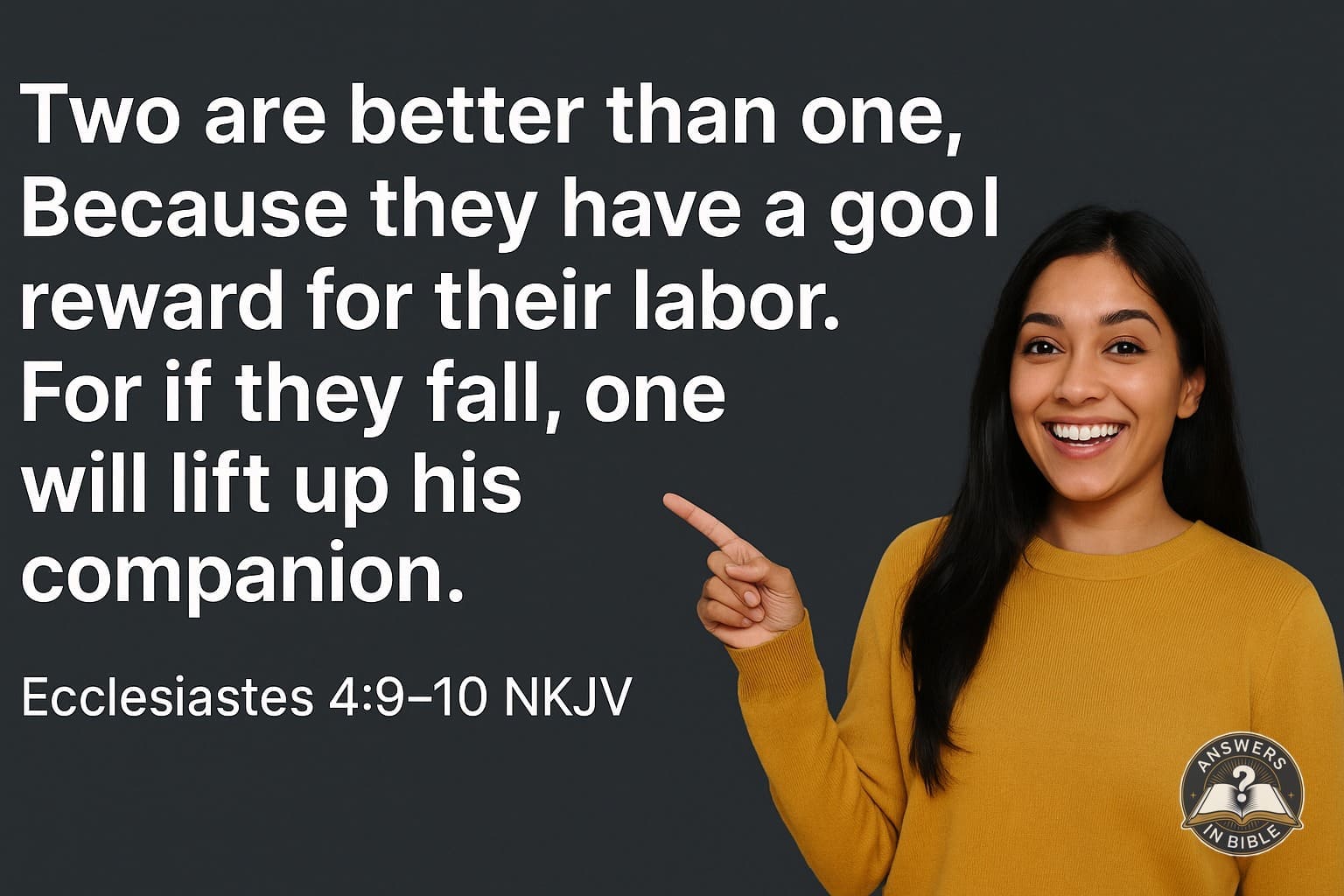
    “Two are better than one, Because they have a good reward for their labor. For if they fall, one will lift up his companion” (Ecclesiastes 4:9-10, NKJV). Ecclesiastes spends a lot of time on the futility of working alone for its own sake. This verse offers a counterpoint: shared labor, and shared falling, carries a different kind of reward.

    There’s real honesty in this verse. It doesn’t promise you won’t fall. It promises something better than avoiding every fall: someone there to lift you back up when it happens.

    If you tend toward independence, handling struggles quietly and alone, this verse is worth sitting with. Isolation isn’t a virtue Ecclesiastes celebrates here. Companionship is.

    Going into this year, who’s the person who’d actually lift you up if you fell? And who are you positioned to lift up in return?

  • Search Me, O God | Psalm 139:23-24

    Search Me, O God | Psalm 139:23-24

    “Search me, O God, and know my heart; Try me, and know my anxieties; And see if there is any wicked way in me, And lead me in the way everlasting” (Psalm 139:23-24, NKJV). This is a bold prayer. David isn’t asking God to confirm what he already believes about himself. He’s inviting an honest search.

    That takes real courage. Most of us prefer to examine ourselves on our own terms, noticing the things we’re already comfortable admitting, while quietly avoiding the parts we’d rather not look at.

    David asks for something more thorough: search me, try me, show me what’s actually there, even the anxious and wicked parts I haven’t named yet.

    This is a good prayer to carry into a new year, not as an exercise in self-criticism, but as an honest invitation for God to lead you somewhere better than where you’d lead yourself.

  • Iron Sharpens Iron | Proverbs 27:17

    Iron Sharpens Iron | Proverbs 27:17

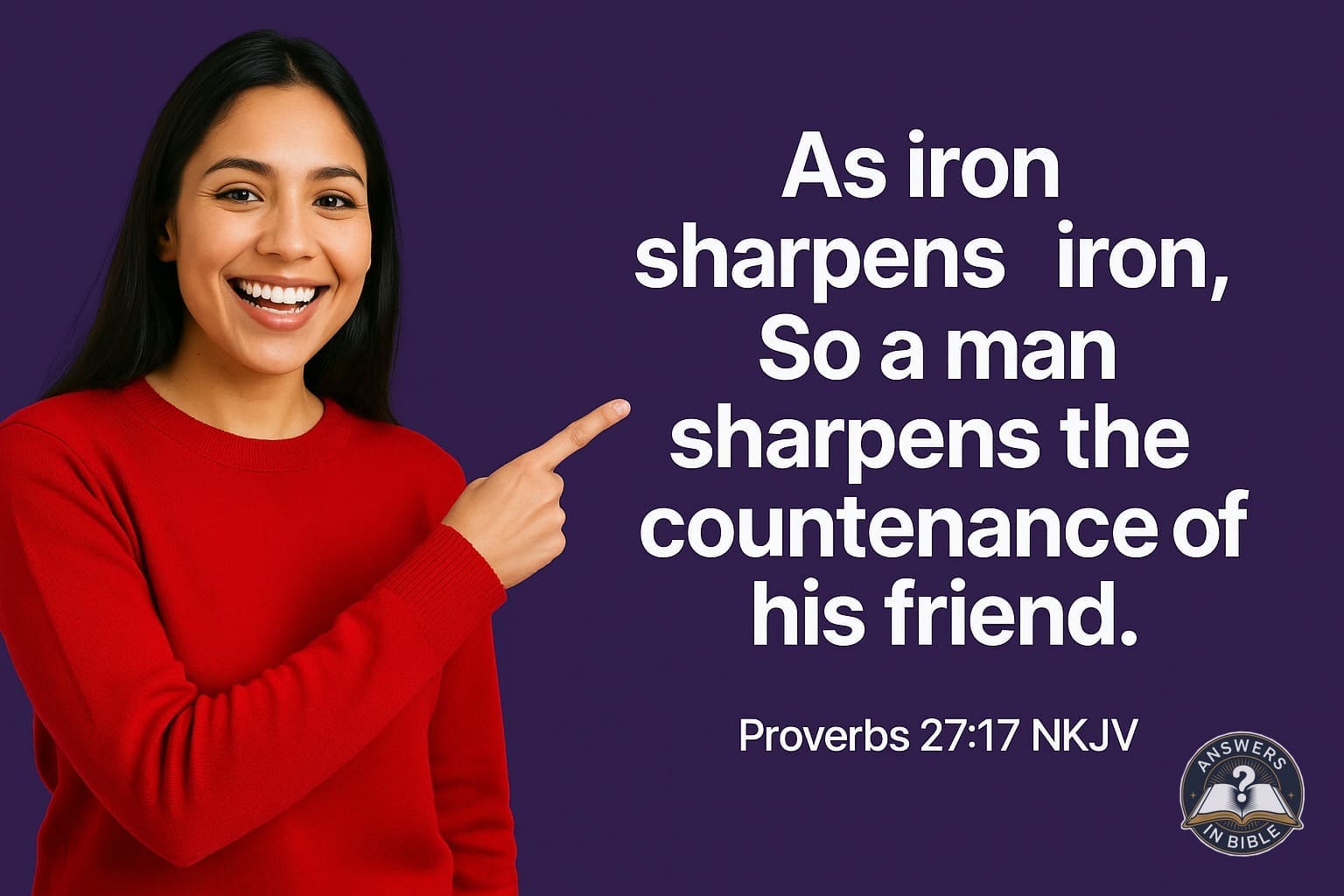
    “As iron sharpens iron, So a man sharpens the countenance of his friend” (Proverbs 27:17, NKJV). Sharpening isn’t a gentle process. It involves friction, pressure, and heat. This verse uses that image on purpose to describe what real friendship does for us.

    It’s tempting to want friendships that only affirm and never challenge. But iron doesn’t sharpen iron by being soft. The friends who’ve shaped you most were probably the ones honest enough to push back sometimes.

    This works both directions. Are you the kind of friend who only offers comfortable agreement, or one willing to sharpen someone else, even when it’s uncomfortable for both of you?

    As you think about your relationships this year, this verse is worth using as a filter. Who’s sharpening you, and who are you sharpening in return?

  • Where Your Treasure Is | Matthew 6:21

    Where Your Treasure Is | Matthew 6:21

    “For where your treasure is, there your heart will be also” (Matthew 6:21, NKJV). Jesus isn’t only talking about money here, though that’s part of it. He’s naming a law of the heart: whatever you invest most in will eventually own your attention and affection.

    This is uncomfortable to sit with honestly. It’s easy to say our priorities are our faith, our family, our integrity. It’s harder to look at where our time, money, and mental energy actually go, and let that be the real answer.

    A useful, if humbling, exercise: look at your calendar and your bank statement from the past month. Not what you’d like to treasure, what you actually have.

    This isn’t meant to produce shame over every misplaced dollar or hour. It’s an invitation to realign, on purpose, so your treasure and your heart are pointed the same direction.

  • My Light and Salvation | Psalm 27:1

    My Light and Salvation | Psalm 27:1

    “The LORD is my light and my salvation; Whom shall I fear?” (Psalm 27:1, NKJV). David asks this as a genuine question, not a rhetorical brush-off of real danger. He faced plenty of real threats. But he starts from a settled place: if God is his light and salvation, fear doesn’t get the final word.

    Light matters here. Fear often grows in the dark, in uncertainty, in not being able to see what’s ahead. This verse doesn’t promise David can see the whole path. It promises the Light itself is with him.

    If there’s something specific you’re afraid of this year, a decision, a diagnosis, a financial pressure, this verse doesn’t ask you to pretend the fear isn’t real.

    It asks a pointed question instead: given who is with you, does that fear actually get to have the final say?

  • A Soft Answer | Proverbs 15:1

    A Soft Answer | Proverbs 15:1

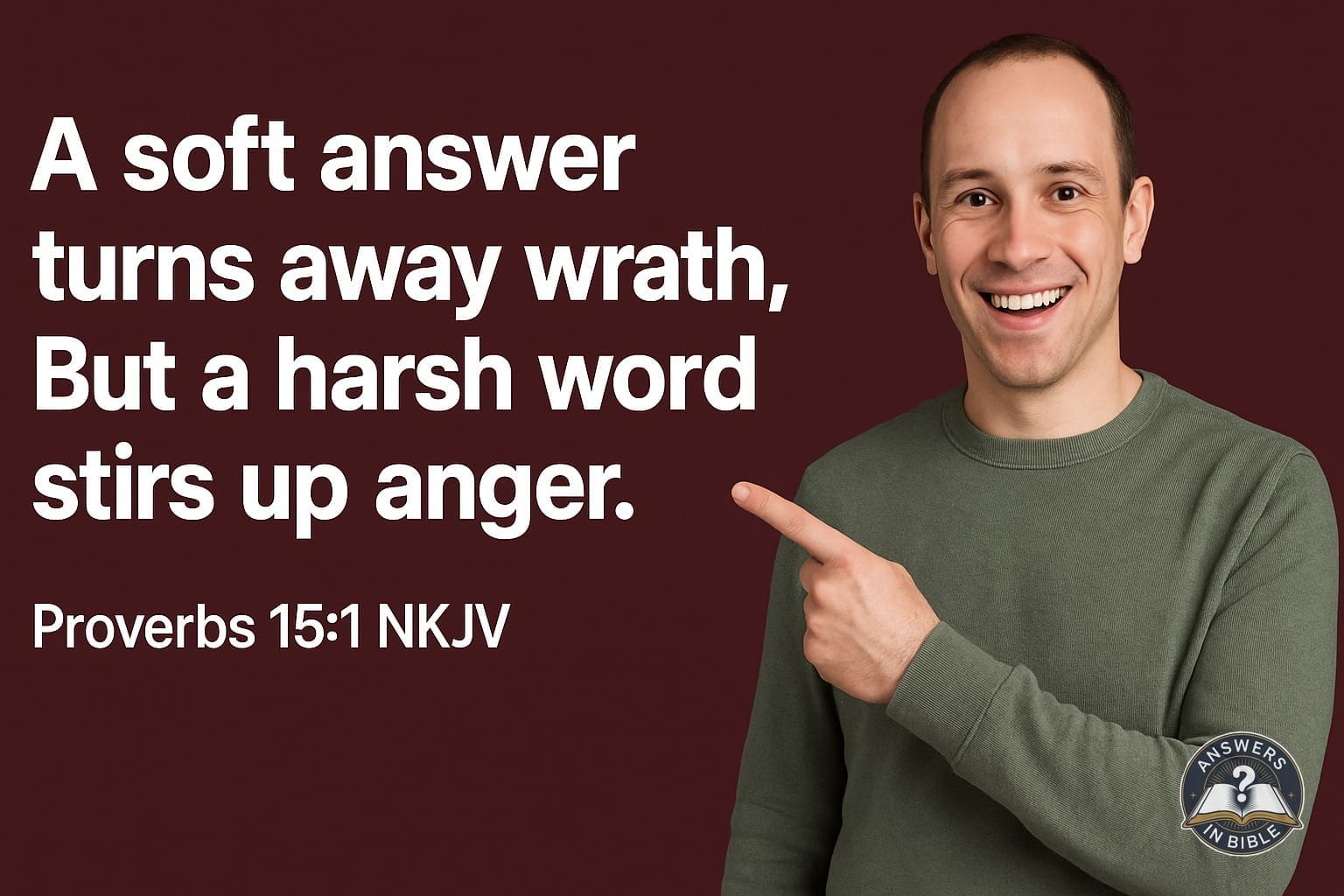
    “A soft answer turns away wrath, But a harsh word stirs up anger” (Proverbs 15:1, NKJV). This is about as practical as wisdom gets. It doesn’t require theology to test, just the next tense conversation you have.

    The instinct in conflict is usually to match the tone we’re given, sharp with sharp, defensive with defensive. This verse suggests a different response entirely: meet heat with a soft answer, not because the other person is right, but because it actually changes the outcome.

    This is harder in practice than it sounds, especially when we feel wrongly accused or provoked. A soft answer can feel like giving something up in the moment.

    But Proverbs is clear about the long-term math. Harsh words escalate. Soft answers de-escalate. Worth remembering the next time a conversation starts to heat up.

  • Patient in Spirit | Ecclesiastes 7:8

    Patient in Spirit | Ecclesiastes 7:8

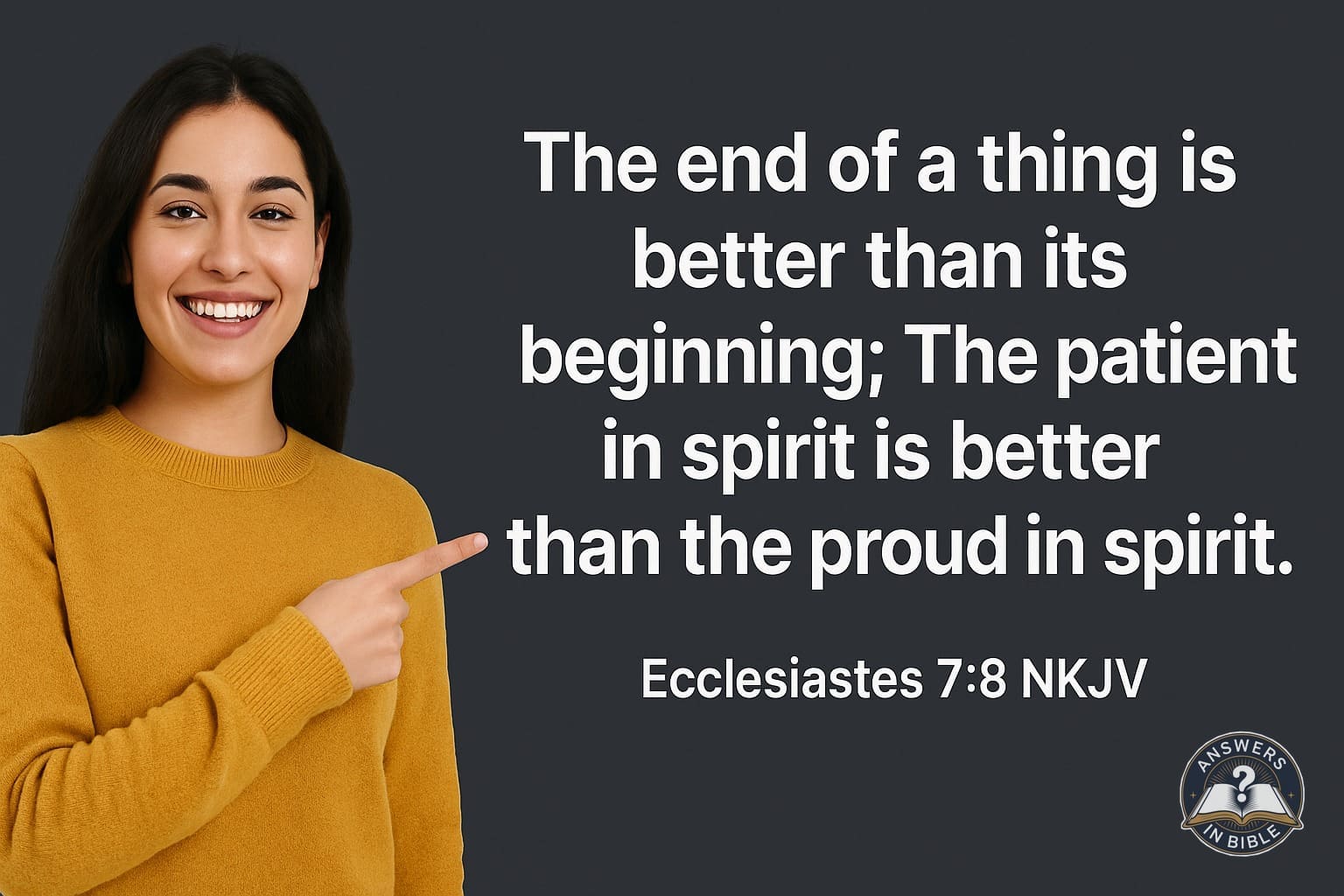
    “The end of a thing is better than its beginning; The patient in spirit is better than the proud in spirit” (Ecclesiastes 7:8, NKJV). Early January is full of beginnings, fresh starts, new plans, renewed energy. This verse quietly points somewhere else: toward patience and the long view.

    The Preacher isn’t dismissing beginnings. He’s noting that beginnings are often full of pride, our own confidence in what we’re about to accomplish, while endings tend to reveal what actually held up over time.

    Patience in spirit isn’t passivity. It’s the willingness to let a process unfold rather than forcing an outcome or giving up in ay finding it slower than hoped.

    If your plans for this year feel slow already, this verse offers a different measure of success. Not how fast you started, but how patiently you kept going.