Author: Answers In Bible

  • He Is Risen | Matthew 28:6

    He Is Risen | Matthew 28:6

    “He is not here; for He is risen, as He said” (Matthew 28:6, NKJV). This is the announcement at the center of everything Christians believe. Not a wish, not a metaphor, but a direct statement: the tomb is empty because Jesus is risen.

    Notice the phrase as He said. This wasn’t a surprise even to those who’d walked with Jesus. He’d told them plainly what would happen, and the resurrection confirmed it exactly as promised.

    Every hope described elsewhere in Scripture, forgiveness, new life, the promise of resurrection for those who trust in Him, rests on this one historical claim being true.

    On this Easter Sunday, this verse isn’t a seasonal tradition to observe once a year. It’s the foundation the rest of the year’s hope is actually built on.
  • Not Satisfied With Silver | Ecclesiastes 5:10

    Not Satisfied With Silver | Ecclesiastes 5:10

    “He who loves silver will not be satisfied with silver; Nor he who loves abundance, with increase” (Ecclesiastes 5:10, NKJV). This verse names a pattern many people discover the hard way: loving money doesn’t get satisfied by having more of it.

    The problem isn’t money itself. It’s the love of it as the thing expected to satisfy, a job it was never built to do.

    Increase tends to raise the bar rather than settle the craving. Whatever amount once seemed like enough quietly stops feeling like enough once it’s reached.

    Is there a number or amount you’ve quietly told yourself would finally be enough? This verse is worth testing that assumption against.

  • Look at the Birds | Matthew 6:26

    Look at the Birds | Matthew 6:26

    “Look at the birds of the air, for they neither sow nor reap nor gather into barns; yet your heavenly Father feeds them” (Matthew 6:26, NKJV). Jesus points to something ordinary and visible here, not an abstract theological argument, just birds outside doing what birds do.

    The birds aren’t shown as passive or lazy. They’re simply not anxious about their provision the way we tend to be about ours.

    This verse doesn’t argue that we shouldn’t work. It argues that anxious striving isn’t actually necessary for provision, since the Father’s care extends even to birds who do far less planning than we do.

    Next time you see a bird today, let it be a small, visible reminder of this verse rather than just scenery.

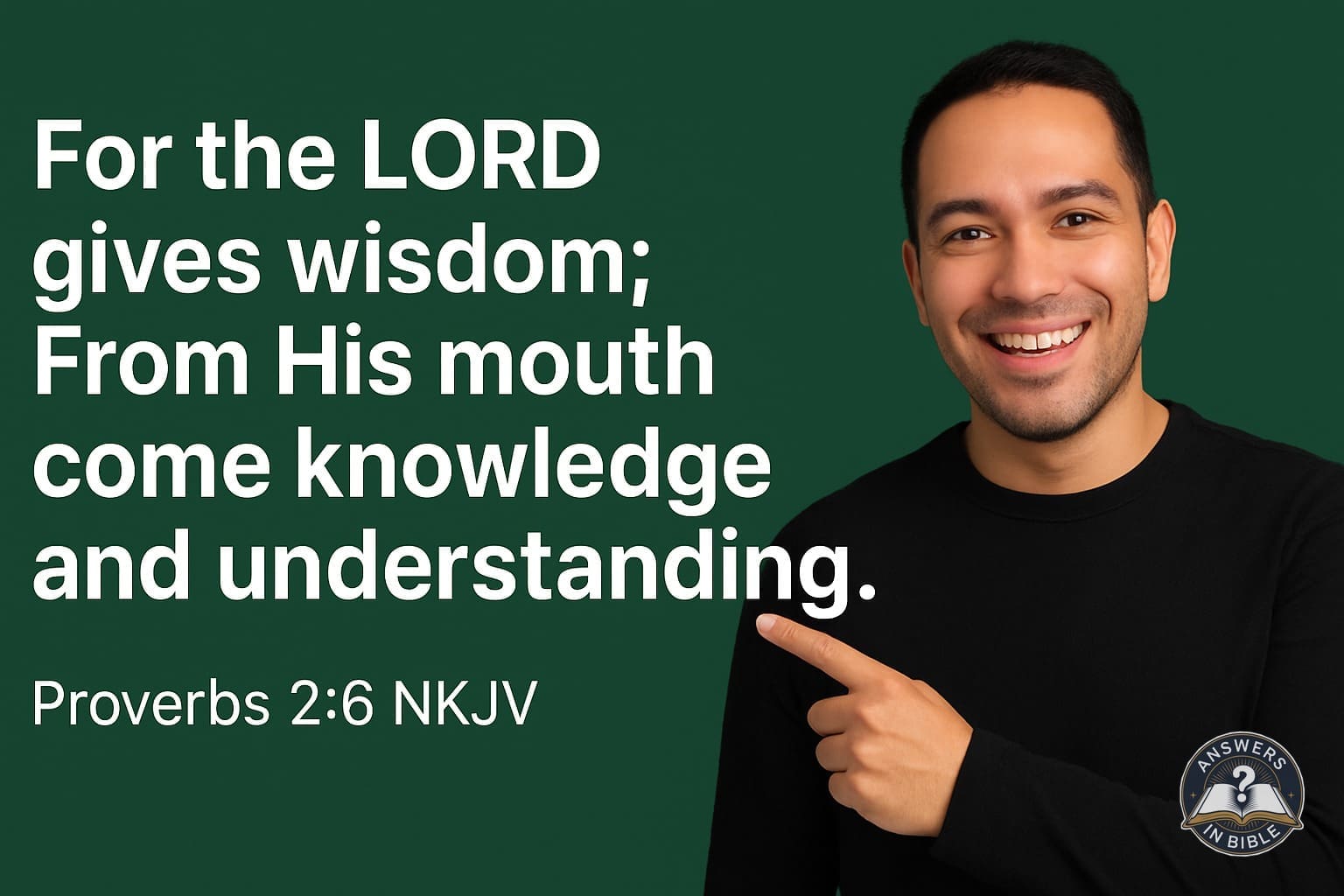
  • The Lord Gives Wisdom | Proverbs 2:6

    The Lord Gives Wisdom | Proverbs 2:6

    “For the LORD gives wisdom; From His mouth come knowledge and understanding” (Proverbs 2:6, NKJV). Wisdom, in this verse, isn’t something we manufacture through enough effort or experience alone. It’s something given, sourced in God Himself.

    That’s an important distinction from mere information. You can accumulate facts on your own. Wisdom, the ability to rightly apply what you know, has a different origin.

    This doesn’t dismiss study or experience. It reframes them as the means through which God’s wisdom is received, not achievements in themselves.

    Where are you currently trying to manufacture wisdom through sheer effort, when this verse suggests asking for it might be the more direct path?

  • Sing a New Song | Psalm 96:1

    Sing a New Song | Psalm 96:1

    “Oh, sing to the LORD a new song! Sing to the LORD, all the earth” (Psalm 96:1, NKJV). A new song suggests something more than repeating old habits. It’s an invitation to fresh praise, not just recycled routine.

    This isn’t a call for constant novelty for its own sake. It’s a reminder that God’s goodness is always current, always worth a fresh response rather than a stale one.

    All the earth widens the invitation beyond personal devotion. This is bigger than one voice, one nation, one tradition. The whole earth is invited into this song.

    As a new month opens, what would a genuinely new song, not just a repeated routine, actually sound like in your own life right now?

  • He Cares for You | 1 Peter 5:7

    He Cares for You | 1 Peter 5:7

    “Casting all your care upon Him, for He cares for you” (1 Peter 5:7, NKJV). All your care means exactly that, not just the manageable worries, but the ones that feel too large or too embarrassing to name honestly.

    The reason given for casting isn’t that the care doesn’t matter. It’s the opposite: He cares for you, personally and specifically, which is exactly why it’s safe to hand over.

    This is a good verse to close a month on, a reminder that whatever weight has built up over these past weeks doesn’t have to be carried alone into the next one.

    As March closes, what care have you been holding onto that this verse is inviting you to actually cast, not just acknowledge, but release?

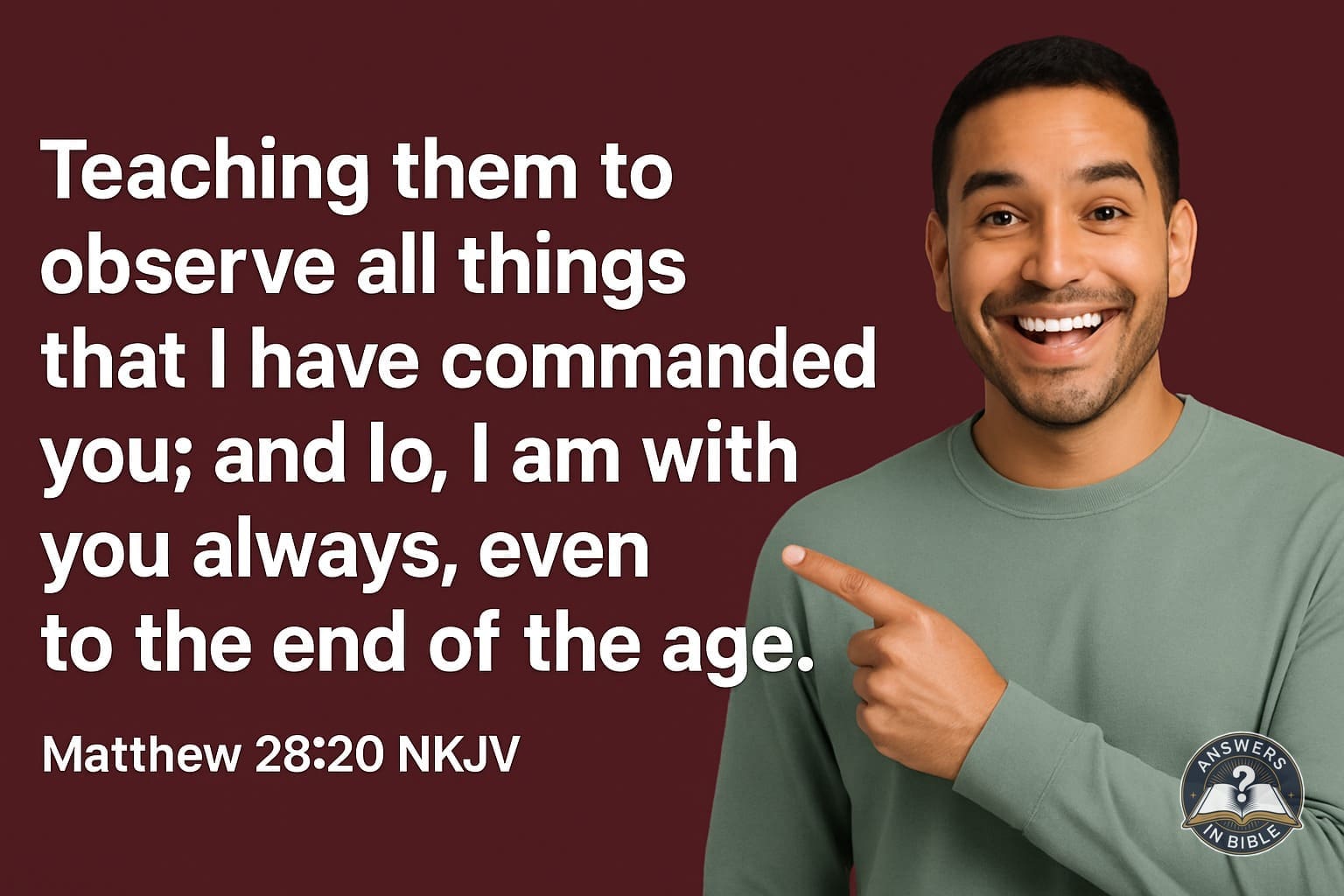
  • I Am With You Always | Matthew 28:20

    I Am With You Always | Matthew 28:20

    “Teaching them to observe all things that I have commanded you; and lo, I am with you always, even to the end of the age” (Matthew 28:20, NKJV). This is Jesus’ final recorded promise in Matthew’s Gospel, and it’s a promise of presence, not just instruction.

    The command to teach and obey comes first, but it’s not left standing alone. It’s followed immediately by a promise that carries its own weight: I am with you always.

    Always here isn’t a vague sentiment. It covers every season, the easy ones and the hard ones, all the way to the end of the age.

    Whatever obedience feels hardest for you to sustain right now, this verse reminds you it was never meant to be carried without His ongoing presence alongside it.

  • Do It Heartily | Colossians 3:23

    Do It Heartily | Colossians 3:23

    “And whatever you do, do it heartily, as to the Lord and not to men” (Colossians 3:23, NKJV). Whatever you do covers the mundane along with the meaningful, the tasks nobody will notice along with the ones everyone will.

    As to the Lord reframes the audience for that work entirely. It’s easy to work hard when people are watching and to coast when they aren’t. This verse removes that inconsistency.

    Heartily means genuine effort, not grudging compliance. The standard here isn’t minimum acceptable performance, it’s real, wholehearted work.

    Is there a task in front of you today that you’ve been doing for people rather than as to the Lord? What would change if you reframed it?

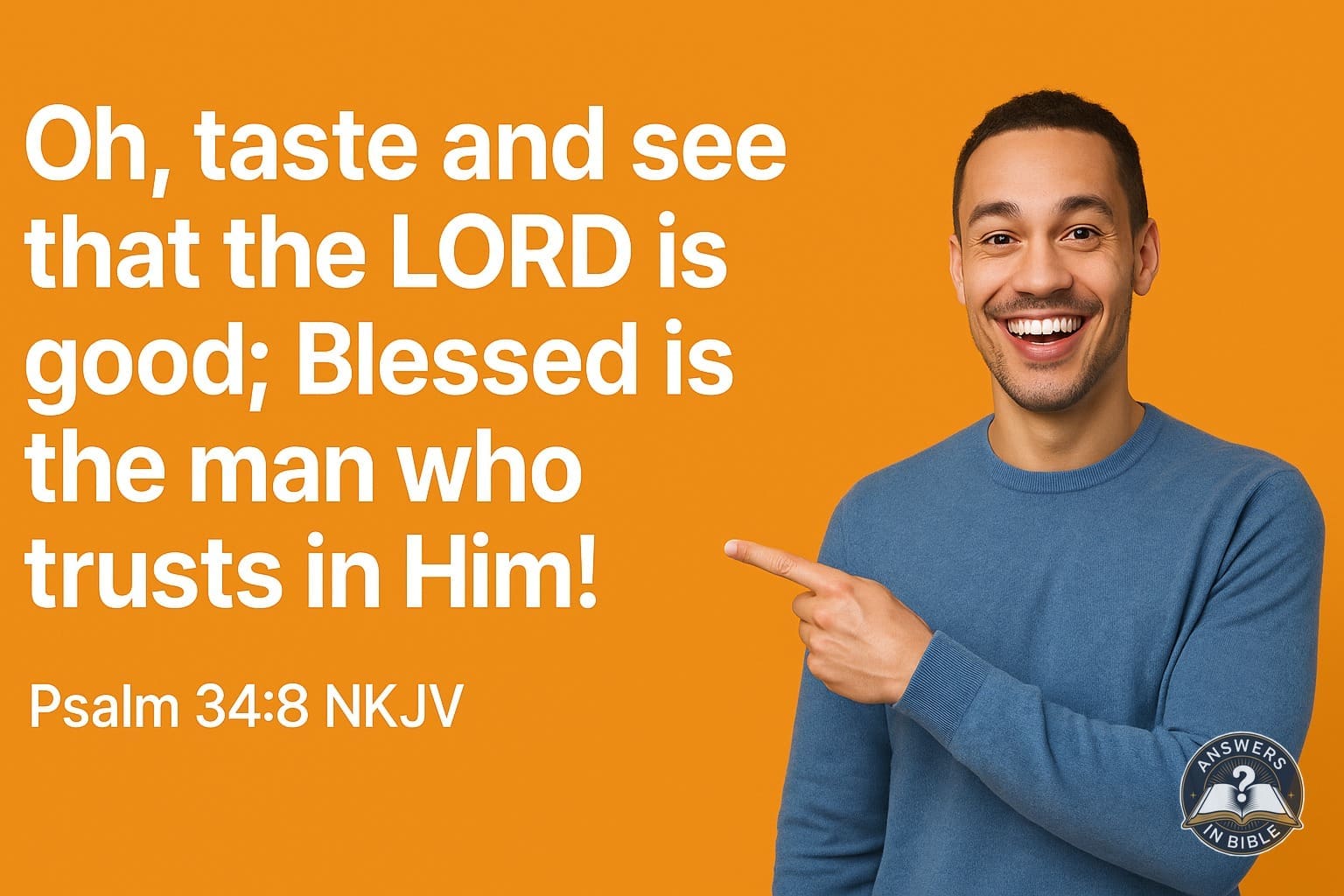
  • Taste and See | Psalm 34:8

    Taste and See | Psalm 34:8

    “Oh, taste and see that the LORD is good; Blessed is the man who trusts in Him!” (Psalm 34:8, NKJV). Taste is an unusual word to use about God’s goodness. It’s not asking for intellectual agreement, it’s inviting direct, personal experience.

    You can hear about a meal secondhand, but tasting it is a different kind of knowing entirely. This verse invites that same direct encounter with God’s goodness.

    That invitation assumes something worth noting: God’s goodness isn’t only meant to be believed about from a distance. It’s meant to be experienced up close.

    Where in your life today could you actually taste God’s goodness firsthand, rather than just holding a secondhand belief about it?

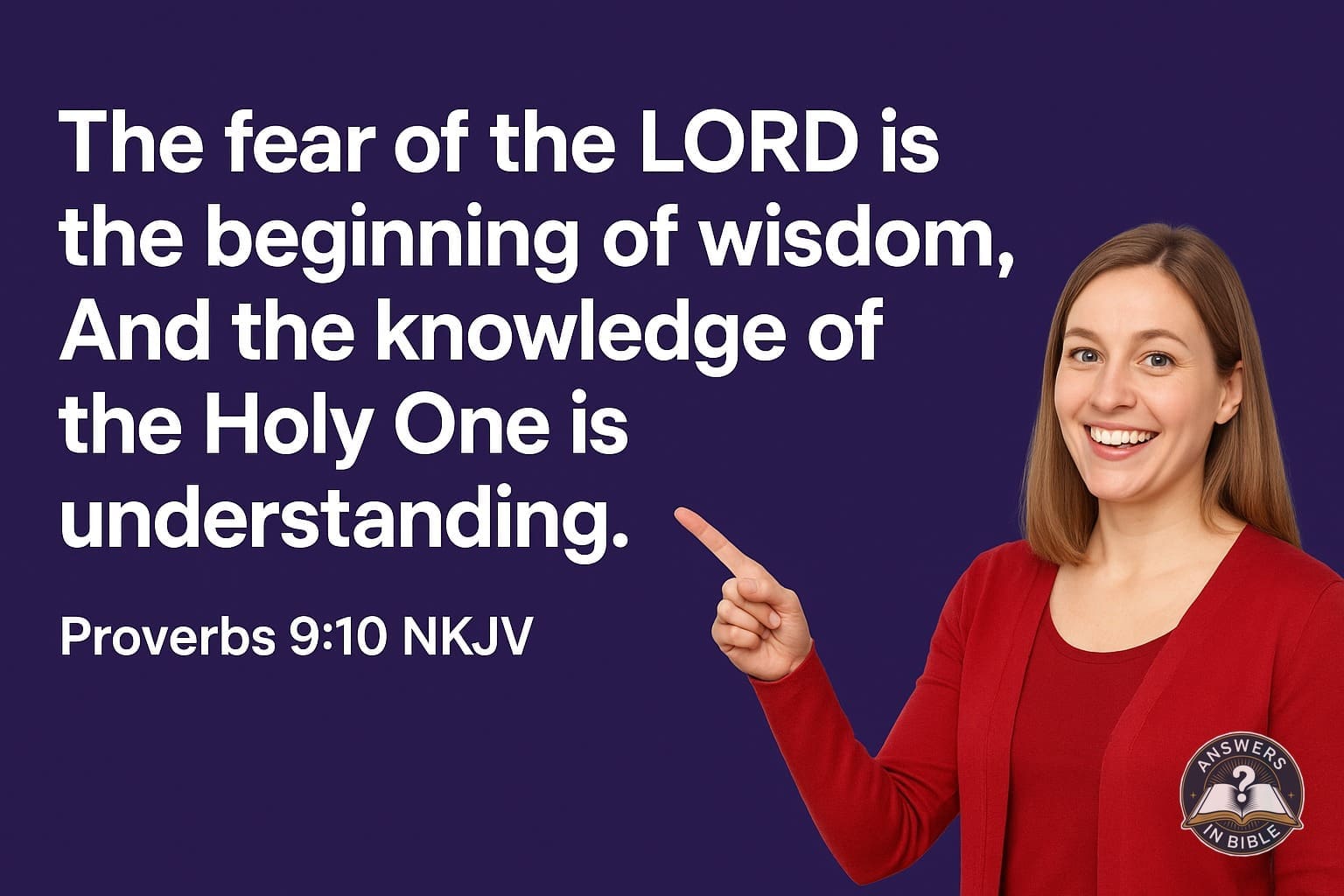
  • The Beginning of Wisdom | Proverbs 9:10

    The Beginning of Wisdom | Proverbs 9:10

    “The fear of the LORD is the beginning of wisdom, And the knowledge of the Holy One is understanding” (Proverbs 9:10, NKJV). Beginning is the key word. Not one ingredient among many, but the actual starting point everything else builds on.

    Fear of the LORD here isn’t about being afraid of God in the way we’d fear something dangerous and unpredictable. It’s a reverent awe that puts Him rightly at the center.

    Without that starting point, knowledge can still accumulate, but wisdom, the ability to rightly apply what’s known, tends to stay out of reach.

    What would change in how you’re approaching a current decision if reverence for God, rather than your own expertise, were genuinely the starting point?