Category: Bible Verse of the Day

  • My Help Comes From the Lord | Psalm 121:1-2

    My Help Comes From the Lord | Psalm 121:1-2

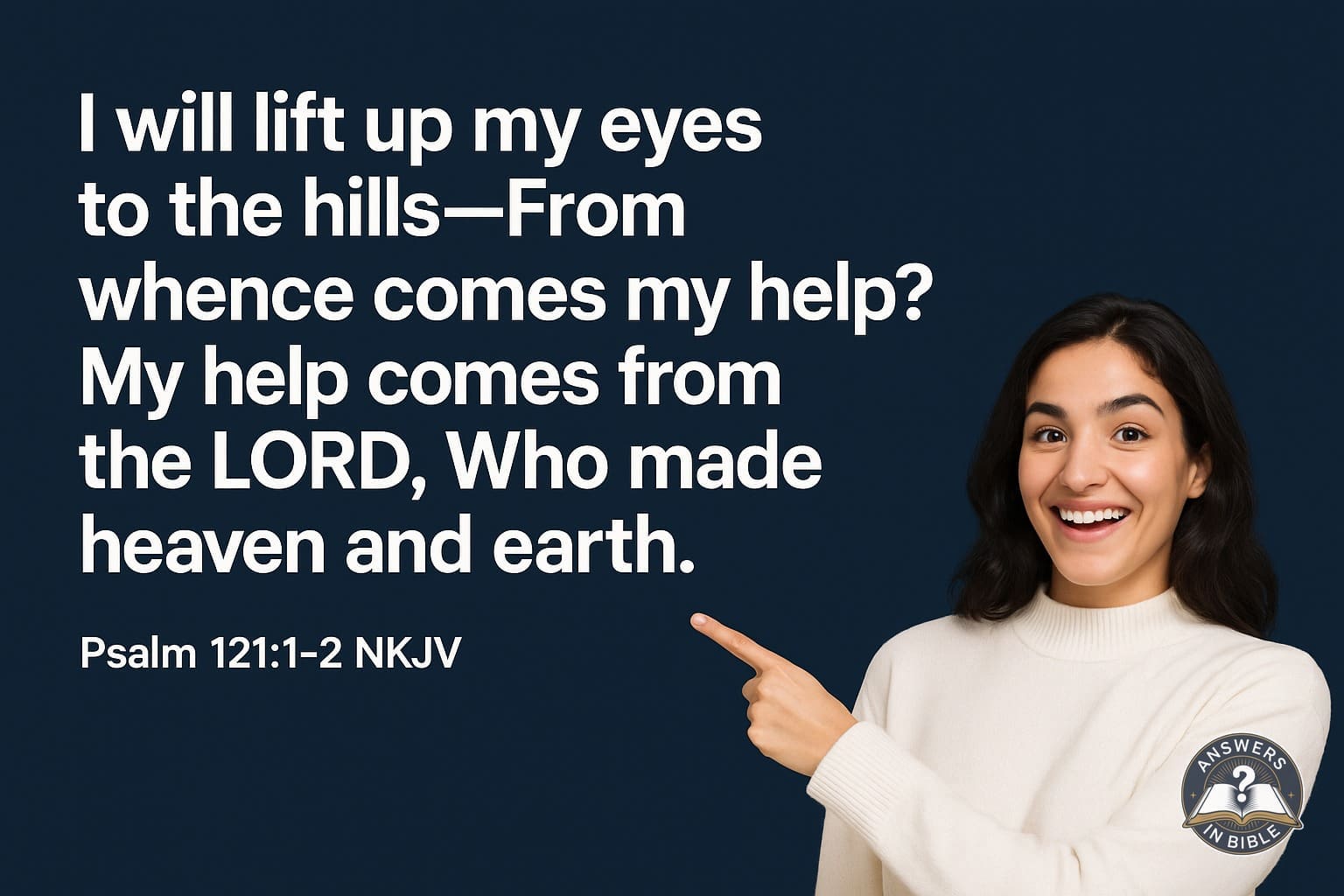
    “I will lift up my eyes to the hills—From whence comes my help? My help comes from the LORD, Who made heaven and earth” (Psalm 121:1-2, NKJV). This verse opens with an honest question before it answers with confidence. Where does help actually come from?

    It would be easy to look to the hills themselves, to circumstances, to our own resourcefulness, to other people, and stop the search there. This psalm looks past all of that, to the Maker behind it.

    That’s a meaningful redirect. Circumstances can shift. People can let us down, even with the best intentions. The One who made heaven and earth doesn’t run out of capacity to help.

    Where have you been looking for help lately, and is it time to lift your eyes a little further, past the hills, to their Maker?
  • Nothing New Under the Sun | Ecclesiastes 1:9

    Nothing New Under the Sun | Ecclesiastes 1:9

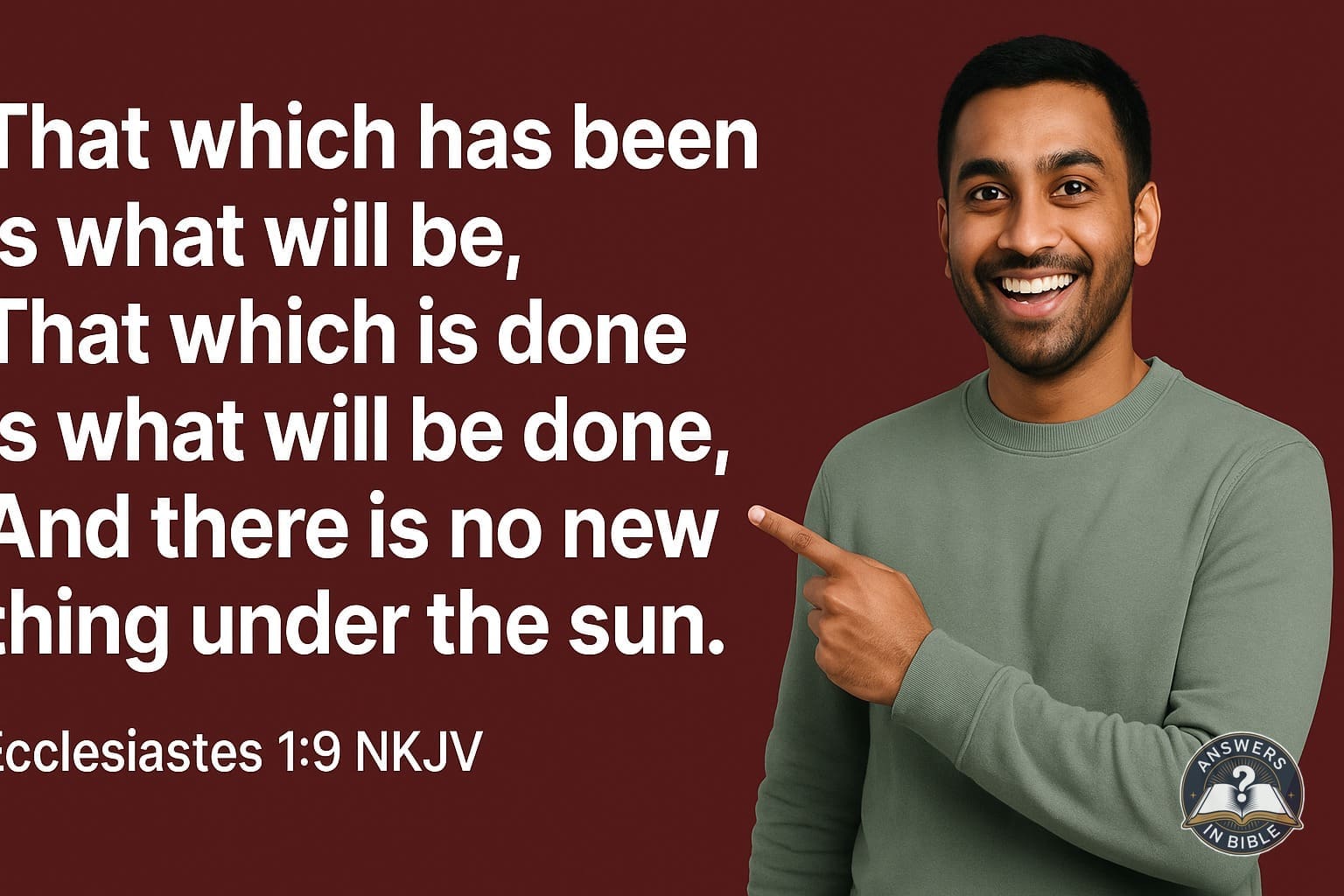
    “That which has been is what will be, That which is done is what will be done, And there is no new thing under the sun” (Ecclesiastes 1:9, NKJV). This can read as bleak on first pass. But there’s an odd freedom hiding in it too.

    If nothing under the sun is truly new, then whatever you’re facing right now, however novel it feels, has been faced by someone before you. You’re not as alone in it as it feels.

    This verse also has a way of deflating over-inflated ambition. The next big achievement, the next crisis, the next trend, all of it fits a pattern as old as humanity itself.

    There’s humility in that, and also comfort. The sun has seen it before, and the God above the sun was present for all of it too.

  • Not by Bread Alone | Matthew 4:4

    Not by Bread Alone | Matthew 4:4

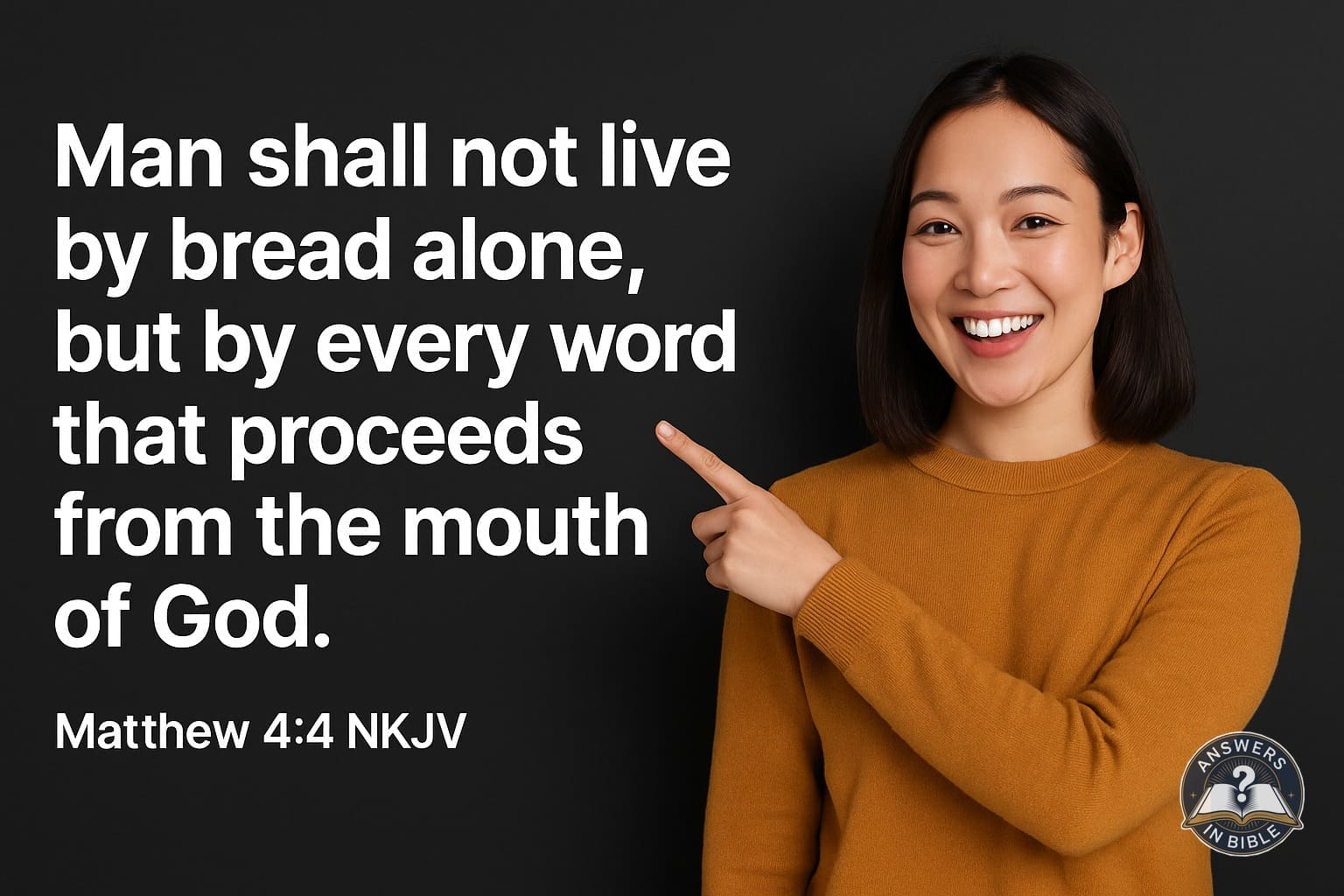
    “Man shall not live by bread alone, but by every word that proceeds from the mouth of God” (Matthew 4:4, NKJV). Jesus says this in the wilderness, hungry, tempted to solve His physical need in a shortcut way. His answer points to a deeper kind of sustenance.

    Bread here stands for every legitimate physical need, food, comfort, security. Jesus doesn’t dismiss those needs. He simply refuses to let them be the whole story of what sustains a person.

    There’s a real temptation to treat physical provision as the only thing that matters, especially in a season of genuine need. This verse widens the frame.

    What would it look like today to feed on something beyond bread, to let Scripture actually nourish you the way food does, rather than treating it as optional?

  • Train Up a Child | Proverbs 22:6

    Train Up a Child | Proverbs 22:6

    “Train up a child in the way he should go, And when he is old he will not depart from it” (Proverbs 22:6, NKJV). This is a verse about the long game. Training isn’t a single conversation or lesson, it’s a sustained direction, given over years.

    It’s worth noting this isn’t a guarantee that removes a child’s own choices later in life. It’s a proverb, a general pattern of wisdom, not an ironclad formula.

    Even so, the principle holds real weight. What’s modeled and taught early tends to leave a lasting shape, even through seasons where it seems forgotten.

    Whether you’re raising children directly or shaping someone younger through mentorship, this verse is a reminder that the direction you’re pointing them matters more than any single moment.

  • Slow to Anger | Psalm 145:8

    Slow to Anger | Psalm 145:8

    “The LORD is gracious and full of compassion, Slow to anger and great in mercy” (Psalm 145:8, NKJV). This verse is a compact description of God’s character, and it’s worth reading slowly rather than rushing past it as familiar language.

    Slow to anger doesn’t mean never angered. It means patient, giving room before reacting, extending far more grace than most of us extend to each other or even to ourselves.

    Great in mercy pairs with that patience. Not grudging mercy, measured out carefully, but abundant mercy, freely given.

    If you’ve been picturing God as quick to frustration with you, this verse offers a needed correction. Slow to anger, great in mercy, is the character actually described here.

  • Love Suffers Long and Is Kind | 1 Corinthians 13:4

    Love Suffers Long and Is Kind | 1 Corinthians 13:4

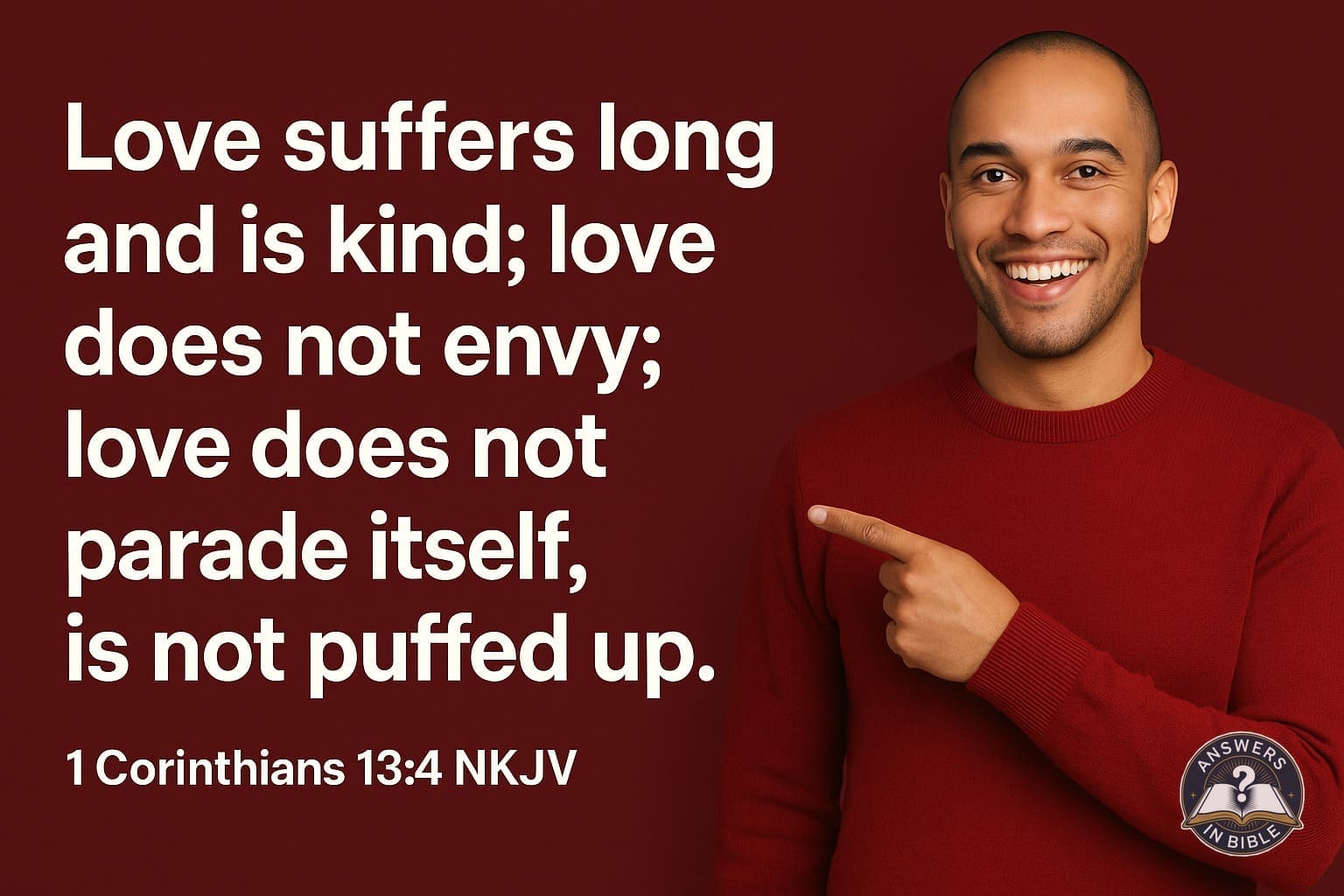
    “Love suffers long and is kind; love does not envy; love does not parade itself, is not puffed up” (1 Corinthians 13:4, NKJV). On a day full of cards and flowers, it’s worth remembering that Scripture’s most famous description of love isn’t about romance at all. It’s about character.

    Suffers long, meaning patient, willing to endure without giving up. Kind, meaning actively good toward the other person, not just tolerant of them. This is a far more demanding definition than the feeling most of us associate with the word.

    Notice what’s absent from love as described here: envy, self-promotion, pride. This is a love turned outward, not a love that uses another person to feel good about itself.

    Whoever you’re celebrating today, this verse is a good measure to hold up against the relationship. Not does it feel romantic, but does it look like this.

  • A Friend Who Sticks Closer | Proverbs 18:24

    A Friend Who Sticks Closer | Proverbs 18:24

    “A man who has friends must himself be friendly, But there is a friend who sticks closer than a brother” (Proverbs 18:24, NKJV). Friendship, this verse suggests, isn’t something that just happens to us. It requires being the kind of person who shows up friendly, first.

    The second half of the verse points to something rarer: a friendship that outlasts even family ties, the kind of loyalty that sticks when it would be easier to walk away.

    Those friendships aren’t common, and they aren’t accidental either. They’re usually built over years of showing up, through both the easy seasons and the hard ones.

    As you think about the relationships in your life, who’s the friend who sticks closer than a brother, and are you being that same kind of friend to someone else?

  • Let Your Light Shine | Matthew 5:16

    Let Your Light Shine | Matthew 5:16

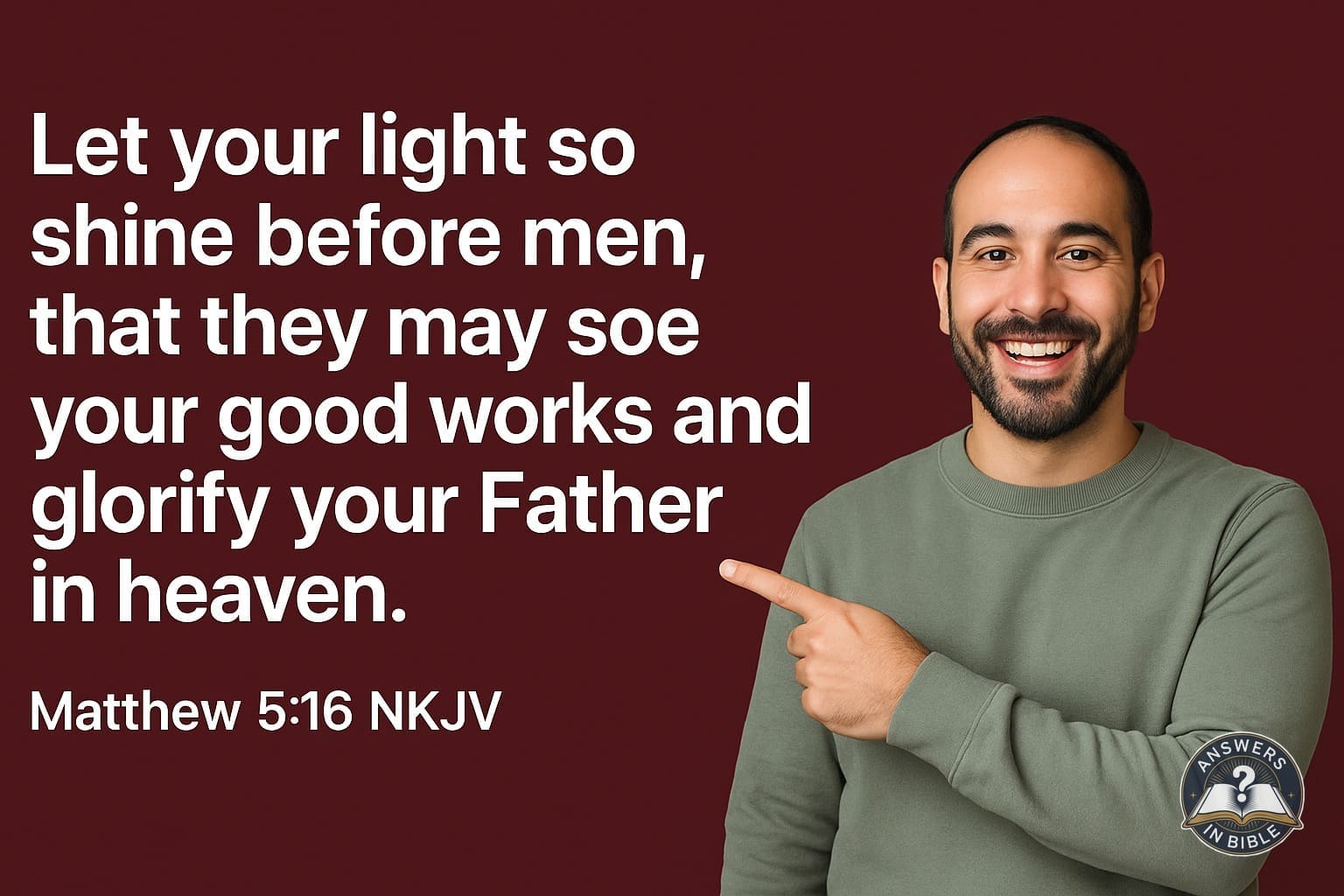
    “Let your light so shine before men, that they may see your good works and glorify your Father in heaven” (Matthew 5:16, NKJV). Jesus isn’t calling for showy performance here. The goal named is specific: not admiration for us, but glory directed to the Father.

    That distinction matters. It’s possible to do visibly good things for the wrong reason, to be noticed, to build a reputation, rather than to point beyond ourselves.

    Letting your light shine, in this verse, means living in a way that naturally draws attention past you, toward the source of whatever good is actually happening in your life.

    Where is your light shining right now, and if someone traced it back, would it lead them to you, or past you to God?

  • Sun and Shield | Psalm 84:11

    Sun and Shield | Psalm 84:11

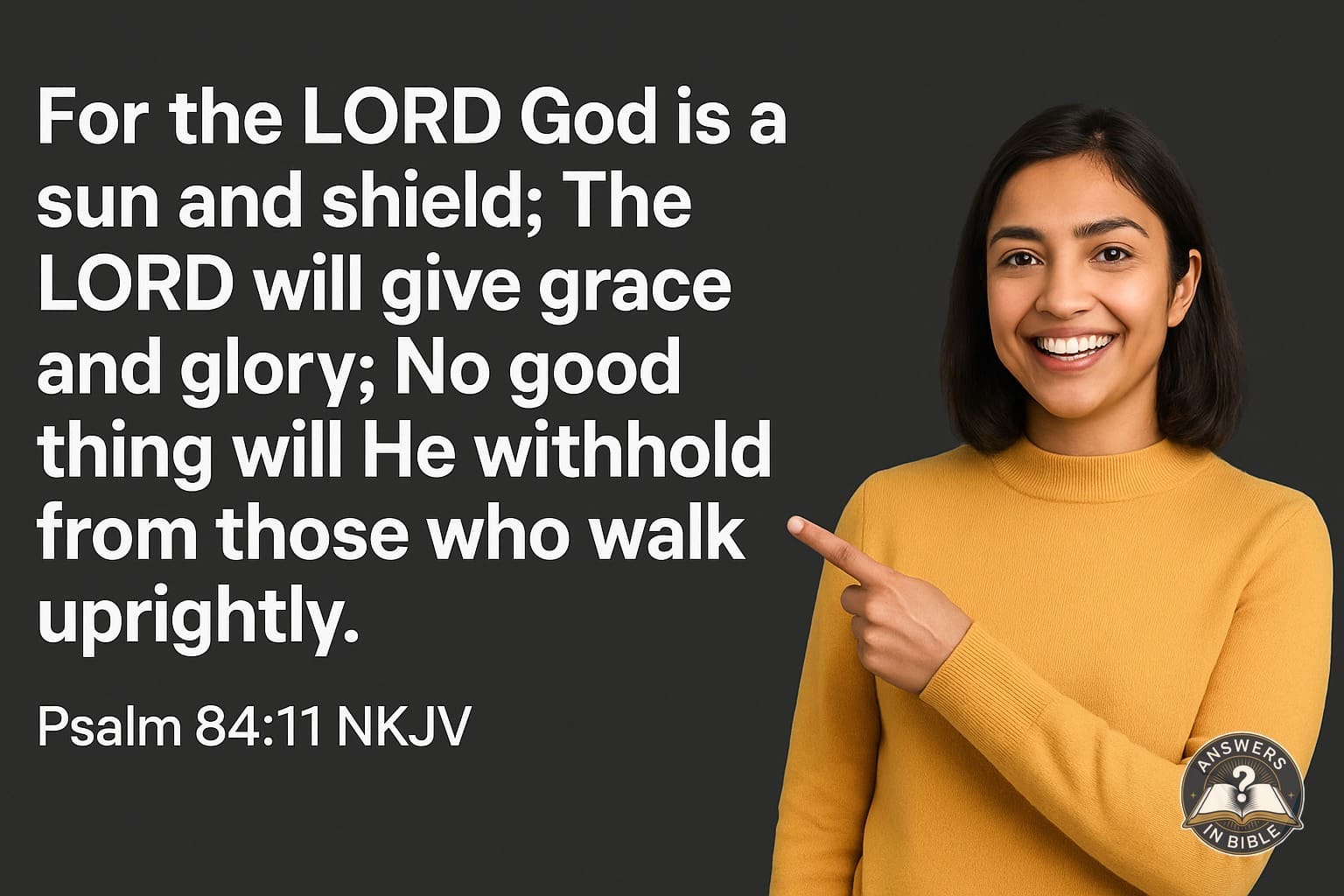
    “For the LORD God is a sun and shield; The LORD will give grace and glory; No good thing will He withhold from those who walk uprightly” (Psalm 84:11, NKJV). Sun and shield is a striking pair of images, warmth and protection held together in the same picture of who God is.

    A sun without a shield would leave us exposed. A shield without a sun would leave us cold. This verse describes a God who provides both at once, comfort and safety together.

    The promise that follows is bold: no good thing withheld from those who walk uprightly. Not an indulgent promise of everything we want, but a genuine confidence that God isn’t stingy toward those who walk with Him.

    If you’ve been picturing God as only one of these, only warmth or only distant protection, this verse is worth letting reshape that picture into both at once.

  • Do It With Your Might | Ecclesiastes 9:10

    Do It With Your Might | Ecclesiastes 9:10

    “Whatever your hand finds to do, do it with your might” (Ecclesiastes 9:10, NKJV). This verse doesn’t specify what the task is, big or small, exciting or mundane. It just says: whatever it is, give it your full effort.

    That’s a useful corrective for anyone waiting for the meaningful task before they’ll bring their best effort. Ecclesiastes doesn’t wait for meaning to show up first. It brings the effort to whatever’s already in front of you.

    There’s dignity in that approach. Full effort on an ordinary task isn’t wasted, it’s exactly the posture this verse commends.

    What’s actually in front of your hand today, and are you giving it your full effort, or holding back for something that feels more worth it?