Zephaniah
Themes
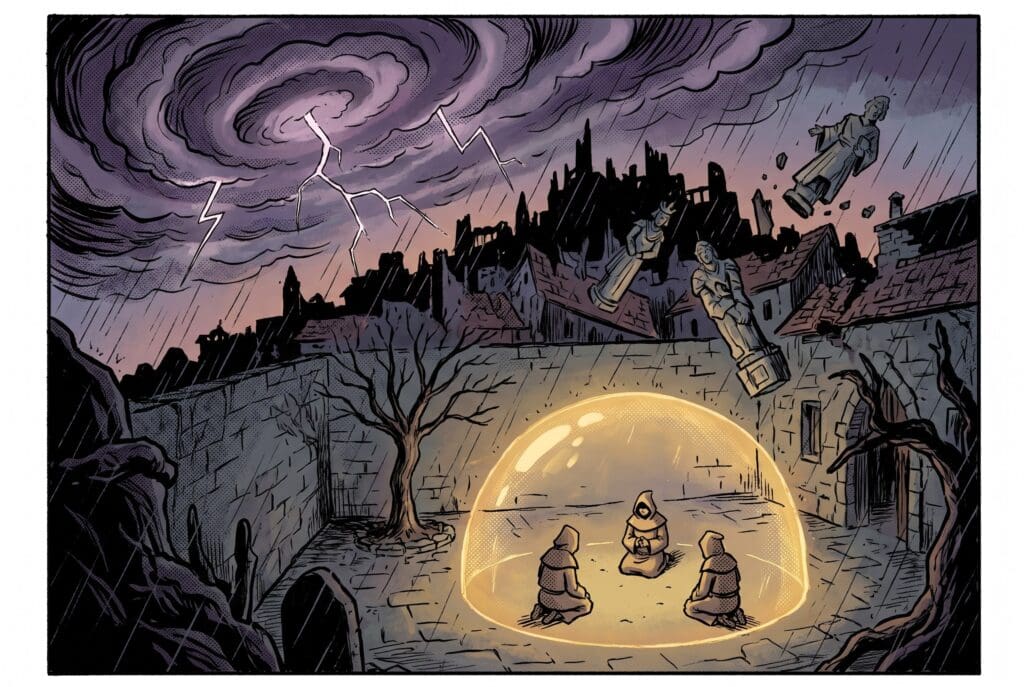
The near and sweeping Day of the LORD as judgment on idolatry and corrupt leadership, a call to humble seeking of the LORD before it is too late, and God's promise of a purified remnant and restored joy, with God Himself rejoicing over His people with singing.
Original Language
Hebrew
Introduction
Zephaniah prophesied during the reign of King Josiah, likely early in his reign before Josiah's sweeping religious reforms took hold, at a time when idolatry, syncretistic worship, and corrupt leadership had taken deep root in Judah. Zephaniah's central message centers on the 'Day of the LORD,' which he describes as near, sweeping, and inescapable, coming first for Judah's own idolatry before extending to surrounding nations.
Despite the book's heavy emphasis on judgment, Zephaniah calls the humble and righteous to seek the LORD, offering the possibility of being sheltered when that day arrives. The book's tone shifts dramatically in its closing verses, moving from sweeping judgment to one of Scripture's most tender pictures of God's affection for His people: God in the midst of His people, mighty to save, rejoicing over them with singing, quieting them with His love. Zephaniah shows that even the most sobering warnings of judgment exist within a larger story of God's redeeming love.
For Teachers & Pastors: A Closer Look
Zephaniah identifies his own lineage back four generations to Hezekiah (1:1), likely the king of Judah, suggesting royal ancestry, and dates his ministry to the reign of Josiah (640-609 BC), most likely early in that reign before Josiah's major reforms of 622 BC given the book's description of pervasive idolatry (Baal worship, worship of the host of heaven, and Molech worship, 1:4-6) still actively practiced. The book's structure moves from an initial sweeping judgment oracle against Judah for idolatry and complacency (1:2-2:3, including the phrase 'the great day of the LORD is near, near and hastening fast,' 1:14), through oracles against surrounding nations (Philistia, Moab, Ammon, Cush, Assyria, 2:4-15), to a renewed indictment of Jerusalem's corrupt officials, judges, prophets, and priests (3:1-8).
The book closes (3:9-20) with a remarkable reversal: a promise to purify the speech of the peoples so that all may call on the LORD together, the gathering and restoration of a humble, righteous remnant, and the striking declaration that the LORD Himself will rejoice over His people with singing and quiet them with His love (3:17), a tender closing note that stands in deliberate contrast to the sweeping judgment described earlier in the book. Zephaniah's themes of near judgment, humble seeking of God, and a purified remnant closely parallel and likely influenced the broader prophetic emphasis found throughout Jeremiah, his contemporary.
