Malachi
Themes
Complacent, half-hearted worship that dishonors God, the seriousness of covenant faithfulness in marriage and community life, the coming messenger who will prepare the way before the LORD, and the promise that those who fear God's name will see healing, while a final call to remember God's law closes the Old Testament looking forward to what comes next.
Original Language
Hebrew
Introduction
Malachi is the final book of the Old Testament, addressed to a post-exilic community roughly a century after the return from Babylon, when the temple had been rebuilt but genuine devotion had grown cold and complacent. Through a series of pointed questions and answers, God confronts the priests for offering blemished, careless sacrifices, and the people for treacherous divorce and withholding their tithes.
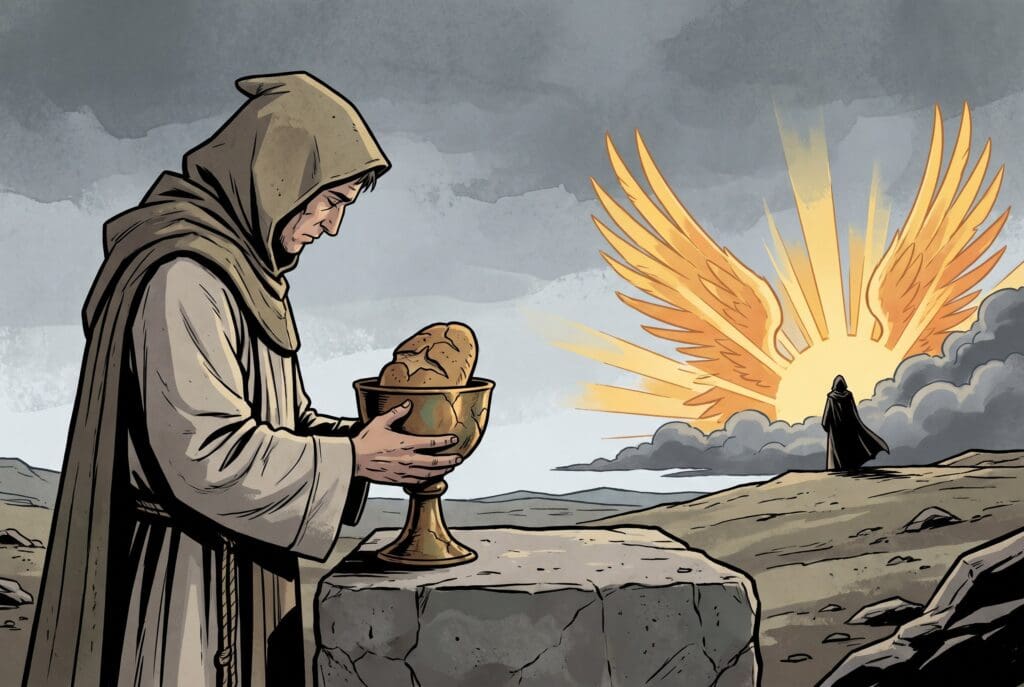
Despite this list of complaints, Malachi closes the Old Testament looking forward rather than merely backward: promising a coming messenger who will prepare the way before the LORD, and a day when 'the sun of righteousness will rise with healing in its wings' for those who fear God's name. The book's final verses promise the return of an Elijah-like figure to turn hearts between generations before 'the great and dreadful day of the LORD,' a fitting close to the Old Testament that leaves readers watching and waiting for what comes next.
For Teachers & Pastors: A Closer Look
Malachi's precise date isn't given, but internal evidence, a functioning temple, a Persian-appointed governor mentioned (1:8), and social conditions resembling those addressed in Ezra and Nehemiah (mixed marriages, withheld tithes, corrupt priesthood), points to the mid-5th century BC, likely between Ezra's and Nehemiah's respective reforms, roughly a century after the temple's rebuilding under Zerubbabel. The name 'Malachi' means 'my messenger,' and some scholars have debated whether it functions as a personal name or a title, though it's traditionally treated as the prophet's proper name.
The book is structured as a series of six disputations, each following a similar pattern: God makes a statement, the audience raises a skeptical or defensive question ('how have we...?'), and God responds with a detailed answer. These address God's love for Israel despite Edom's judgment (1:2-5), the priests' contempt shown through blemished sacrifices (1:6-2:9), treacherous marriage and divorce (2:10-16, containing the striking statement 'I hate divorce,' referring to covenant-breaking treachery), the coming day of judgment and the false claim that it doesn't pay to serve God (2:17-3:5), withheld tithes ('will a man rob God?', 3:6-12), and arrogant claims that serving God is futile (3:13-4:3). The book's closing verses (4:4-6 in most English Bibles, part of 3:22-24 in the Hebrew ordering) call Israel to remember the Law of Moses and promise the return of 'Elijah the prophet' before the great and dreadful Day of the LORD, a passage the Gospels directly connect to John the Baptist's ministry (Matthew 11:14, 17:10-13, Luke 1:17), making Malachi's closing words a deliberate bridge pointing toward the New Testament.
