Leviticus
Themes
Holiness as the defining call of God's people, the necessity of atonement through sacrifice, the importance of ritual and moral purity in approaching a holy God, and the practical outworking of covenant relationship in worship, daily life, and community justice.
Original Language
Hebrew
Introduction
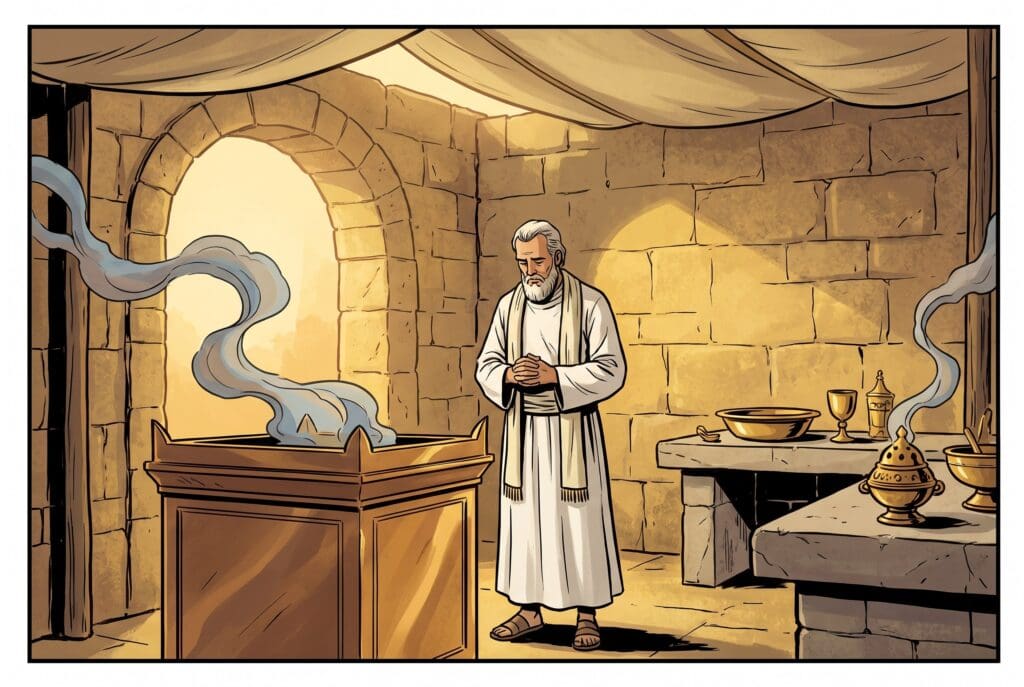
Leviticus picks up immediately where Exodus leaves off, with the newly built tabernacle standing complete and God's glory filling it. Rather than continuing the narrative journey, Leviticus pauses to explain how a holy God can dwell safely among an imperfect people: through detailed instructions for sacrifice, priesthood, purity, and worship. It can feel like the most technical book in the Bible, but its heartbeat is simple and repeated throughout: "Be holy, for I the LORD your God am holy."
The book covers the different types of offerings and how they're made, the ordination of Aaron and his sons as priests, laws distinguishing clean from unclean in food and everyday life, the solemn Day of Atonement, and an extended section of practical holiness laws touching everything from harvest gleaning to honest business dealings. Leviticus closes with blessings for obedience and warnings for unfaithfulness, framing holiness not as a burden but as the pathway to genuinely knowing and enjoying God's presence.
For Teachers & Pastors: A Closer Look
Leviticus takes its name from the Latin/Greek tradition connecting it to the Levites, though the book is really addressed to all Israel, not just the priestly tribe; its Hebrew title, Vayikra ("And he called"), reflects its opening word and its character as divine instruction spoken directly from the tent of meeting. The book divides broadly into two major sections: the sacrificial and priestly system (chapters 1-16, including the ordination of Aaron in chapters 8-10 and the Day of Atonement in chapter 16), and the Holiness Code (chapters 17-27), a wide-ranging set of laws governing food, sexuality, social justice, sacred calendar, and land, unified by the repeated refrain "I am the LORD" and the call to be holy because God is holy.
Chapter 16's Day of Atonement (Yom Kippur) stands as the theological center of the book, establishing the annual ritual by which the sins of the whole nation were addressed, including the scapegoat ceremony where one goat symbolically carried Israel's sin away into the wilderness; the New Testament's Book of Hebrews draws heavily on Leviticus's sacrificial system to explain the significance of Christ's atoning death. Chapter 19's holiness laws include the command to "love your neighbor as yourself" (19:18), later identified by Jesus as the second great commandment, showing that Leviticus's vision of holiness was never meant to be narrowly ritualistic but was deeply tied to practical love and justice toward others, including foreigners living among Israel (19:33-34).
