Hosea
Themes
God's unfailing, steadfast love pursuing an unfaithful people, marriage and family as a living picture of covenant faithfulness and betrayal, the folly of idolatry, and the promise that judgment is never God's final word toward those He loves.
Original Language
Hebrew
Introduction
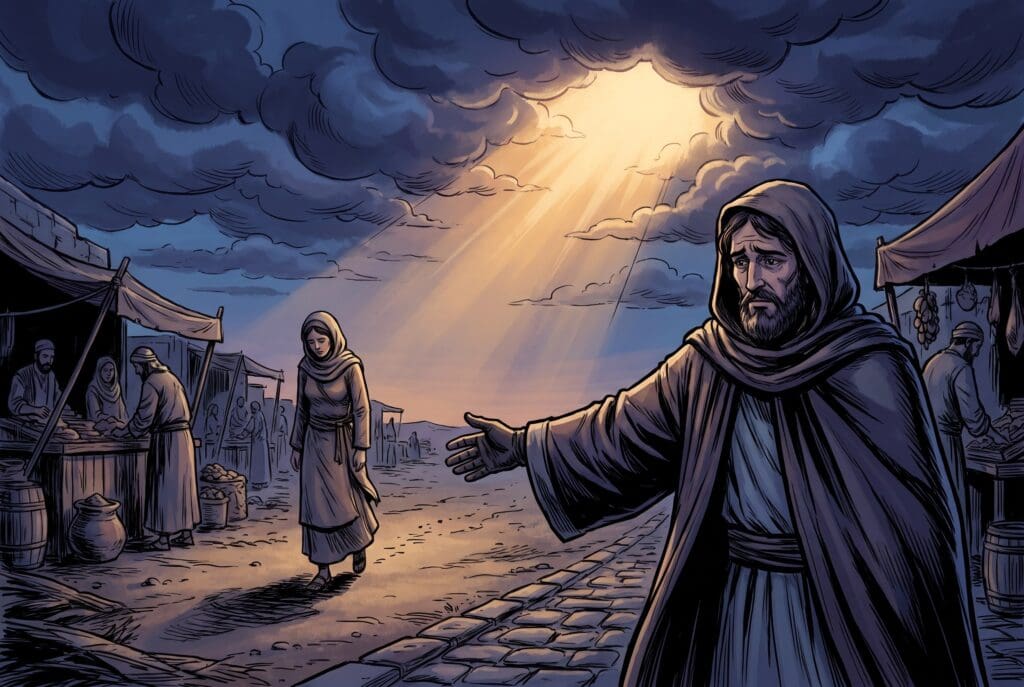
Hosea is the first of the twelve Minor Prophets and one of Scripture's most personal and emotionally raw books. God commands Hosea to marry Gomer, a woman who would be unfaithful to him, as a living, walking picture of Israel's own unfaithfulness to God through idol worship. Hosea's painful marriage becomes the lens through which the whole book is told: betrayal, heartbreak, and yet a determination to love and pursue a wandering spouse anyway.
Hosea prophesied to the northern kingdom of Israel in its final, spiritually corrupt decades before the Assyrian conquest in 722 BC. The book moves back and forth between vivid pictures of judgment for persistent idolatry and injustice, and tender, almost startling declarations of God's ongoing love, culminating in God's own words in chapter 11: 'How can I give you up, Ephraim?' Hosea shows that even the deepest unfaithfulness cannot fully extinguish God's determination to redeem and restore.
For Teachers & Pastors: A Closer Look
Hosea son of Beeri prophesied primarily to the northern kingdom of Israel (also called Ephraim in the book) during the reigns of Jeroboam II and the chaotic succession of kings that followed, roughly 755-715 BC, overlapping with Isaiah, Amos, and Micah's ministries to Judah. The book opens with an extended prophetic sign-act (chapters 1-3): Hosea marries Gomer, and their children are given symbolic names, Jezreel (judgment for the bloodshed of Jehu's dynasty), Lo-Ruhamah ('not pitied'), and Lo-Ammi ('not my people'), names that vividly dramatize Israel's broken covenant status, later reversed in promises of restoration (Ammi, 'my people,' and Ruhamah, 'pitied').
Chapters 4-13 alternate between courtroom-style indictments against Israel's idolatry (particularly Baal worship), social injustice, and reliance on political alliances with Egypt and Assyria instead of trust in God, interspersed with striking expressions of divine love and grief, most notably chapter 11's parental imagery of God teaching Ephraim to walk. The book closes in chapter 14 with a clear call to repentance and a promise of healing and restored blessing. Hosea's marriage metaphor for the covenant relationship between God and His people became foundational language later echoed throughout the prophets and the New Testament (e.g., Paul's use of marriage imagery in Ephesians 5, and Hosea 11:1 quoted in Matthew 2:15 regarding Christ's return from Egypt).
