2 Thessalonians
Themes
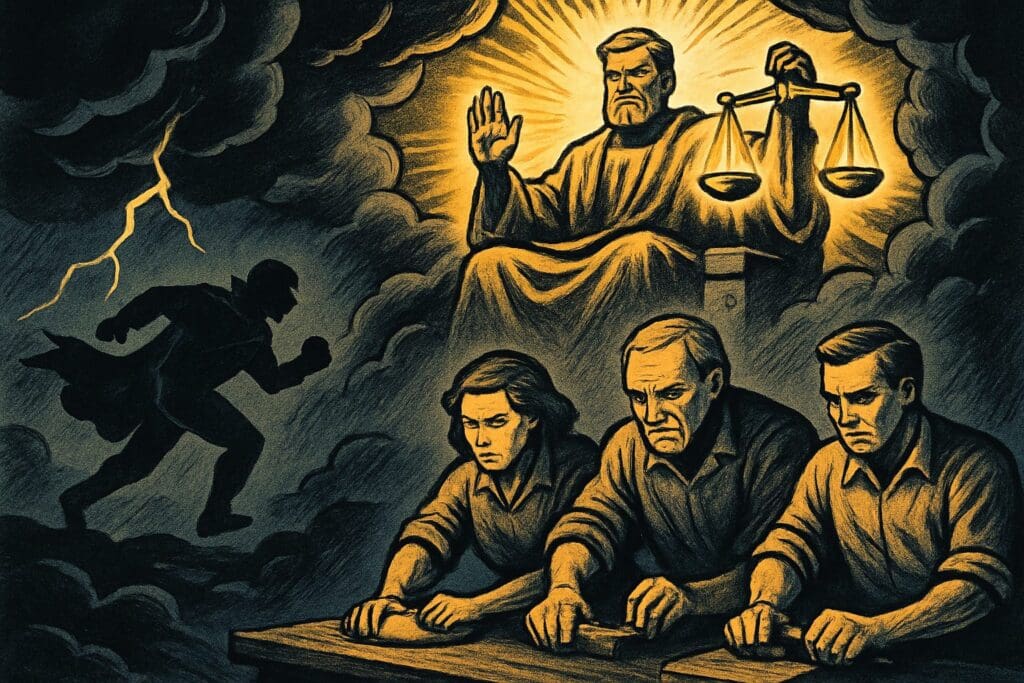
Correcting confusion about the day of the Lord and the return of Christ, warning against idleness under the guise of waiting for that day, God's righteous judgment on persecutors, and the call to stand firm in sound teaching and steady, faithful work.
Original Language
Greek
Introduction
Paul writes a follow-up letter to the Thessalonians to correct a misunderstanding: some believed the day of the Lord had already come, causing alarm and even leading some to stop working while they waited. Paul clarifies the signs that must precede that day, encourages the persecuted church with the promise of God's justice, and firmly instructs them to keep working and living orderly lives rather than being idle.
For Teachers & Pastors: A Closer Look
Likely written shortly after 1 Thessalonians, also around AD 50-51, to address a specific pastoral crisis: apparently a false teaching or forged letter (2:2) claiming 'the day of the Lord has come.' Paul responds with apocalyptic teaching about a coming 'man of lawlessness' and a restraining force, among the most debated passages in the New Testament for its eschatological imagery. The letter closes with unusually direct, practical instruction about church discipline for those who refuse to work (3:6-15).
