1 Timothy
Themes
Sound doctrine versus false teaching, qualifications for church leaders (overseers and deacons), the conduct and order of church life including prayer and worship, guarding the gospel entrusted to us, and personal godliness for a young pastor facing real ministry pressure.
Original Language
Greek
Introduction
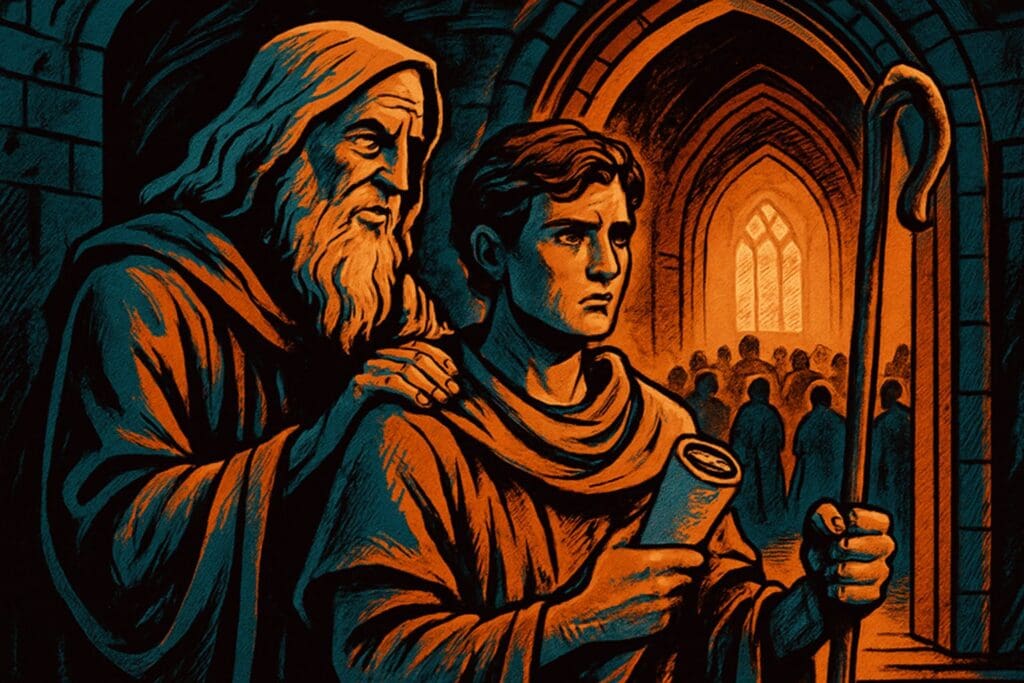
Paul writes to Timothy, his young protege whom he left in Ephesus to oppose false teachers and set the church in order. This letter is deeply practical: it covers how the church should pray and worship, what kind of character is required in elders and deacons, how to treat different groups within the church, and how Timothy himself should conduct his life and ministry despite his youth and any timidity.
For Teachers & Pastors: A Closer Look
One of the three 'Pastoral Epistles' (with 2 Timothy and Titus), traditionally dated to Paul's later ministry, likely after his first Roman imprisonment, around AD 62-64. The letter reflects a shift toward church organization and succession as Paul anticipates his own departure and the ongoing threat of false teaching. Its detailed qualifications for overseers and deacons (3:1-13) became foundational texts for church leadership structure throughout Christian history.
